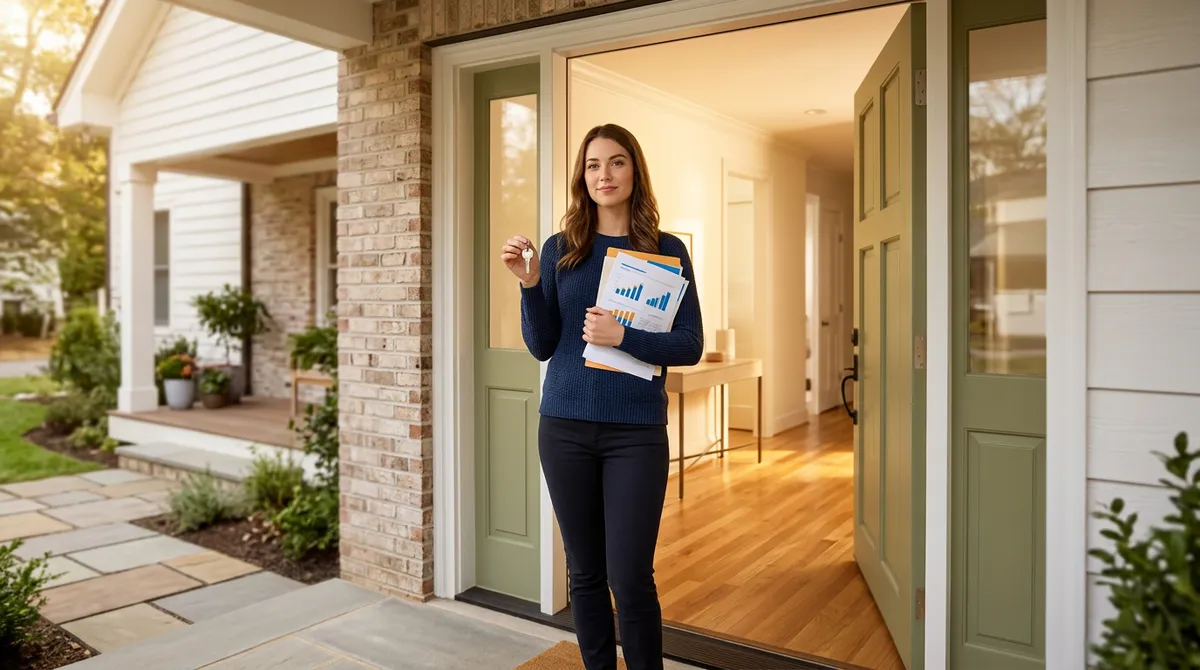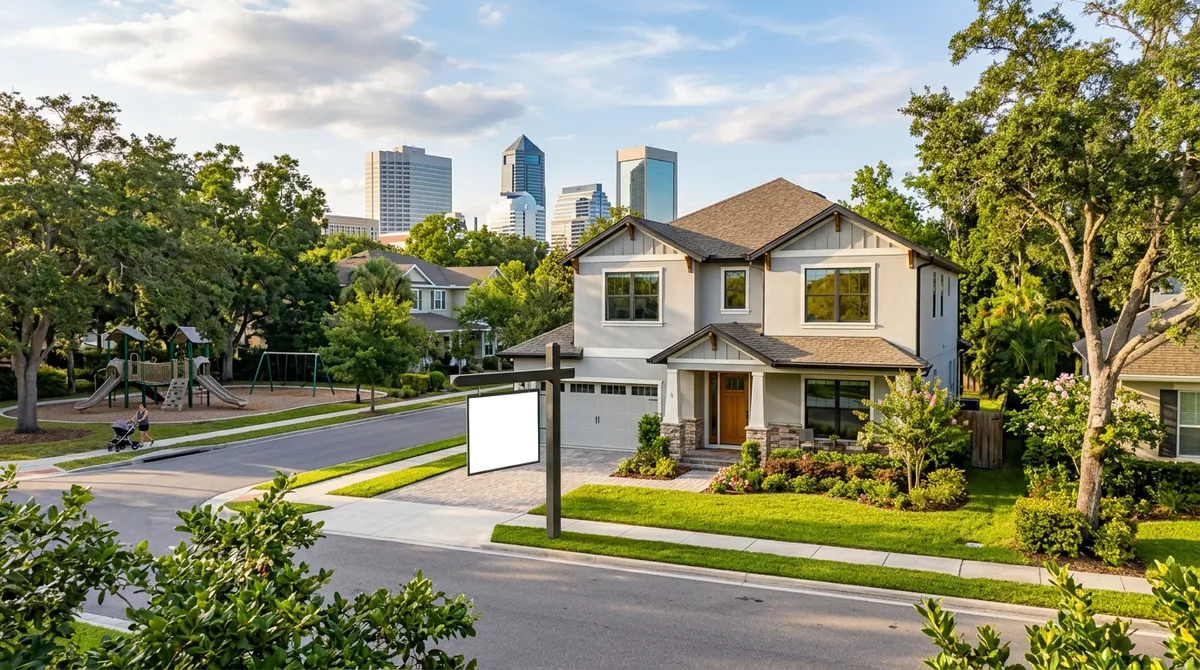
Key Takeaways
-
Location remains the single biggest driver of property values in 2026; proximity to top-rated schools, parks, and major employers can add tens of thousands of dollars to a home's price.
-
Strategic home improvements like kitchen remodels and bathroom updates deliver the best returns on investment; the typical homeowner has $181,000 in untapped equity to fund value-boosting renovations.
-
With national home price growth projected at only 1% in 2026, understanding comparable sales (comps) and accurate pricing is critical—overpriced homes sit longer and sell for less overall.
-
Jacksonville's strong population growth and diverse job market (finance, healthcare, logistics, military) support property values better than the national average, creating competitive conditions in family-friendly areas.
-
Mortgage rates at 6.3% in spring 2026 are improving buyer purchasing power and demand; wages are growing faster than home prices for the first time since the financial crisis, benefiting first-time buyers.
-
School district quality significantly impacts both sale speed and price; homes in top-rated districts like St. Johns County sell faster and command substantial premiums in Jacksonville's market.
If you’ve ever wondered why one home sells for $50,000 more than a nearly identical house down the street, you’re not alone. Property values can feel like a mystery — but they’re actually driven by a set of clear, identifiable factors. Whether you’re buying a house for the first time, thinking about selling, or exploring investment properties, understanding what shapes home values can help you make smarter decisions. In Jacksonville, Florida specifically, the real estate market has its own unique rhythm — shaped by population growth, coastal appeal, and strong job opportunities. In 2026, national home prices are expected to rise just 1% year-over-year, making it more important than ever to know what truly moves the needle on value. Let’s break down the 12 most important factors that influence property values so you can feel confident and informed every step of the way.
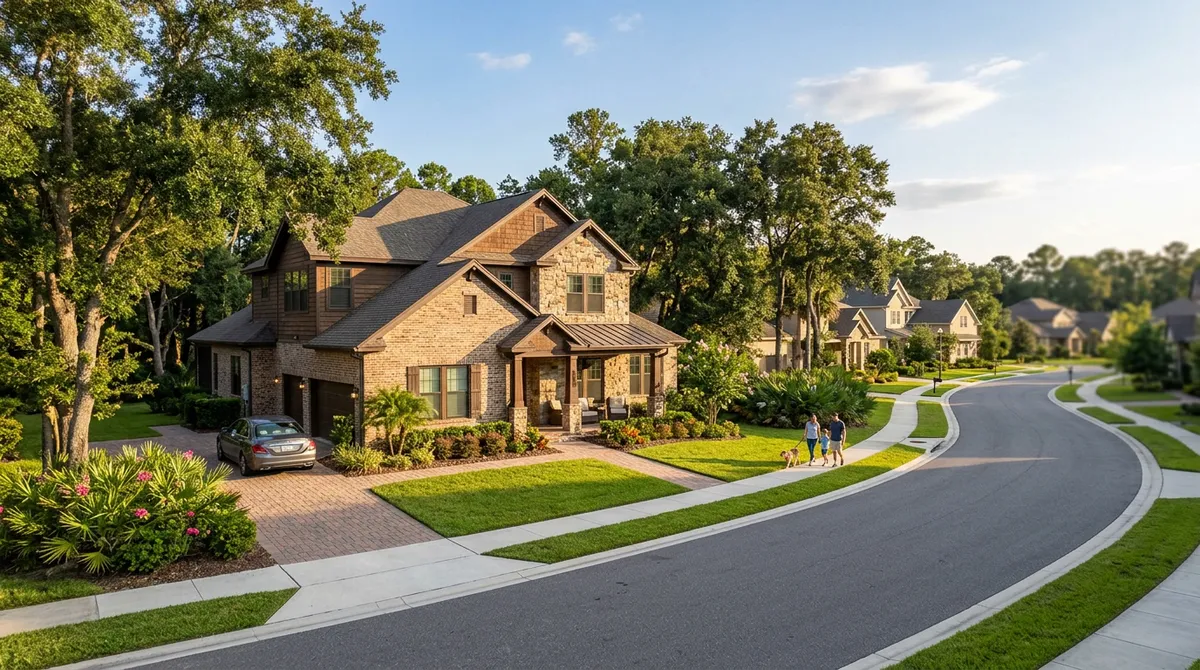
Why Property Values Matter More Than Ever in 2026
The U.S. housing market in 2026 has entered what many experts are calling a “Great Housing Reset.” Mortgage rates have dipped slightly to around 6.3% in spring 2026, down from 6.8% in 2025. Home sales are projected to rise 3%, reaching roughly 4.2 million annualized. That’s good news for buyers and sellers alike. But with such modest national price growth, knowing the specific factors that boost your home’s value can give you a real edge. If you’re curious about your buying power, try the mortgage payment calculator to get started.
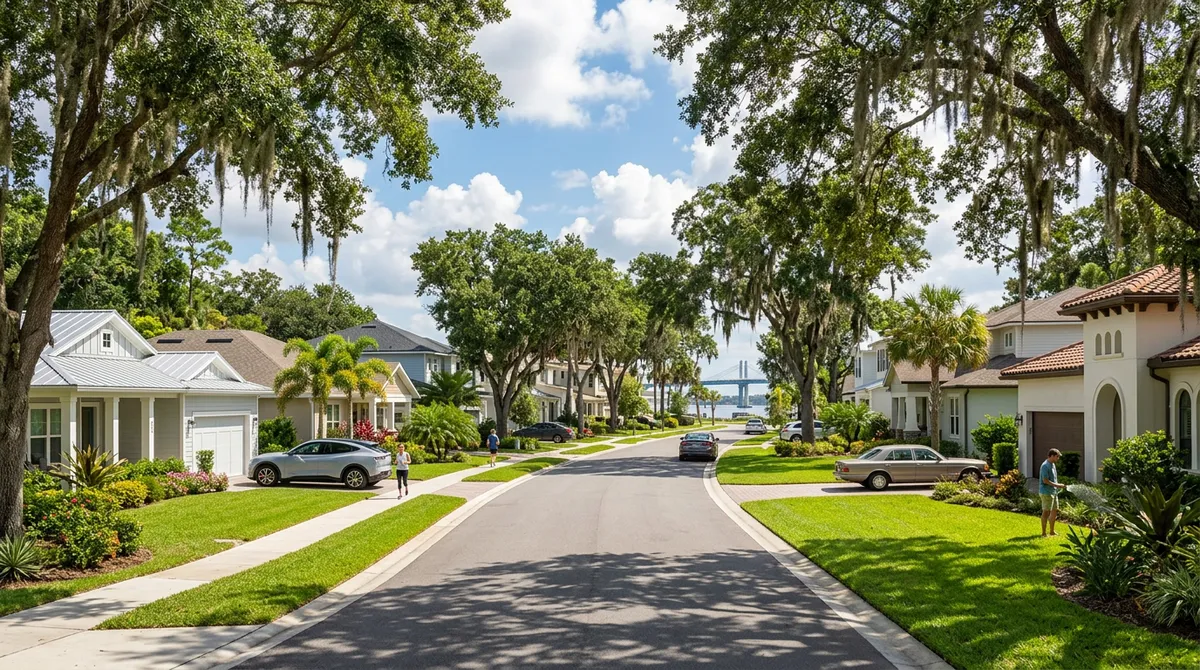
The 12 Key Factors That Drive Property Values
1. Location, Location, Location
It’s the oldest rule in real estate — and it still holds true in 2026. A home’s location is the single biggest driver of its value. In Jacksonville, neighborhoods like San Marco, Mandarin, and Ponte Vedra Beach consistently command premium prices. Proximity to top-rated schools, parks, shopping, and major employers all play a big role. Simply put, where a home sits often matters more than what it looks like inside.
2. School District Quality
Families moving to Jacksonville pay close attention to school ratings. Homes in highly rated school districts tend to sell faster and for more money. This is especially true for families searching for their dream home in St. Johns County, which consistently ranks among Florida’s top school districts. A great school zone can add tens of thousands of dollars to a home’s value.
3. Home Size and Usable Square Footage
Bigger isn’t always better — but usable space matters a lot. Appraisers and buyers look at the total livable square footage, including bedrooms, bathrooms, and functional living areas. A well-designed 1,800-square-foot home can sometimes outvalue a poorly laid out 2,200-square-foot property. Smart use of space is a major value driver.
4. Condition and Age of the Home
A well-maintained home commands a higher price. Buyers and appraisers look at the roof, HVAC system, plumbing, and electrical when determining value. Homes with recent updates — like a new kitchen or renovated bathrooms — consistently sell for more. If you’re planning to sell, even small improvements can lead to big returns. Check out our step-by-step guide to selling your home in Jacksonville for smart prep tips.
5. Comparable Sales (Comps)
Real estate professionals use recent sales of similar nearby homes — called “comps” — to determine a property’s market value. If three homes on your street sold for $350,000 last month, that creates a strong baseline for your home’s value. Comps are one of the most reliable ways to price a home accurately. You can view Jeremy’s sold listings to get a sense of real-world pricing in Jacksonville’s neighborhoods.
6. Lot Size and Outdoor Space
In Jacksonville’s suburban communities, lot size can make a significant difference in value. Buyers love larger yards, privacy, and outdoor entertaining space. Waterfront or water-view properties — a staple of Jacksonville’s geography — can command a substantial premium. Outdoor living is a major lifestyle draw for both relocating professionals and growing families.
7. Local Market Conditions
Supply and demand directly affect property values. In a seller’s market, low inventory pushes prices up. In a buyer’s market, more options keep prices in check. In 2026, national inventory is improving, which is cooling bidding wars and giving buyers more negotiating power. Jacksonville remains competitive due to ongoing population growth, but the days of frenzied overbidding are mostly behind us.
| Market Type | Inventory Level | Effect on Property Values | Buyer Strategy |
|---|---|---|---|
| Seller’s Market | Low | Prices rise quickly | Move fast, expect competition |
| Balanced Market | Moderate | Prices stable or slight growth | Negotiate thoughtfully |
| Buyer’s Market | High | Prices soften or decline | Take your time, request concessions |
8. Interest Rates and Mortgage Availability
Mortgage rates directly affect how much buyers can afford — which impacts what they’ll pay for a home. When rates rise, purchasing power drops, and property values can flatten or dip. With rates around 6.3% in spring 2026, affordability is slightly improving. Wages are also growing faster than home prices for the first time since the post-financial crisis era, which is a positive sign for buyers. Use the mortgage payment calculator to see how today’s rates affect your monthly budget.
9. Economic Growth and Job Market
A strong local economy supports strong property values. Jacksonville benefits from a diverse job market that includes finance, healthcare, logistics, and military sectors. When more people move to a city for work, housing demand rises — and so do prices. GDP growth is projected at 2.0% in 2026, providing a stable economic backdrop for the housing market nationally and locally.
10. Neighborhood Development and Infrastructure
New roads, shopping centers, hospitals, and transit improvements can all boost nearby home values. Conversely, nearby industrial development or neglected infrastructure can drag values down. In Jacksonville, ongoing development in areas like the Northside, Riverside, and St. Johns County continues to attract attention from both homebuyers and investors. Keeping an eye on planned development is a smart move for anyone thinking long-term.
11. Home Equity and Renovation Potential
Here’s an encouraging statistic: the typical U.S. homeowner had $181,000 in untapped home equity as of mid-2025. Many homeowners are now using HELOCs or cash-out refinances to fund renovations that further increase their property’s value. Strategic upgrades — like kitchen remodels, bathroom additions, or energy-efficient improvements — can yield strong returns. This is especially relevant in Jacksonville, where the market rewards well-maintained, move-in-ready homes.
12. Property Type and Market Segment
Not all property types are performing equally in 2026. Single-family homes remain the most in-demand. Condo markets are softening in many cities due to rising HOA fees and special assessments. Luxury properties in established neighborhoods like Mandarin and San Marco are holding their value well, especially at the top price tiers. The commercial real estate sector is also recovering, with investment up 16% to $562 billion in 2026, according to CBRE. Whether you’re exploring luxury or entry-level options, the Real Estate Buyer Guide is a great resource to help you navigate your choices.
How These Factors Play Out in Jacksonville Specifically
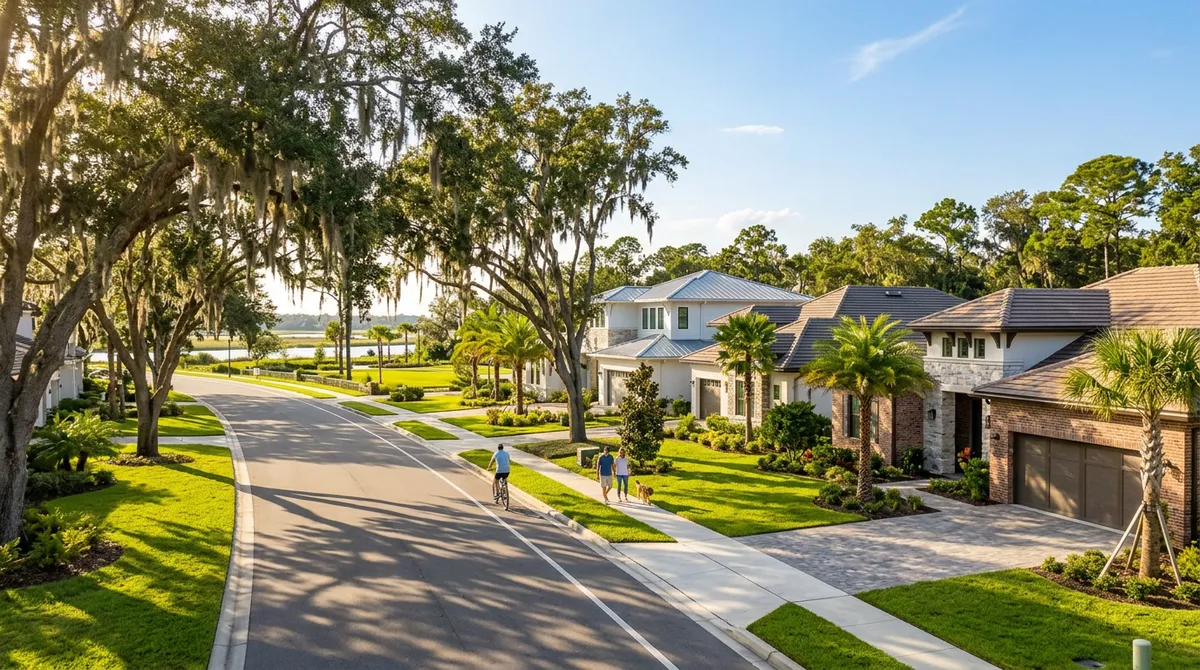
Jacksonville is one of Florida’s most dynamic real estate markets. Its size — the largest city by land area in the continental U.S. — means there’s remarkable variety in neighborhood character and pricing. Here’s a quick look at how key value factors stack up across some popular areas:
| Area | Key Value Driver | Buyer Profile | Market Strength (2026) |
|---|---|---|---|
| San Marco | Historic charm, walkability | Luxury buyers, professionals | Strong |
| Mandarin | Schools, family neighborhoods | Relocating families | Strong |
| St. Johns County | Top schools, new builds | Families, investors | Very Strong |
| Northside/Arlington | Affordability, growth potential | First-time buyers, investors | Growing |
| Ponte Vedra Beach | Waterfront, luxury amenities | High-income buyers | Premium |
No matter which part of Jacksonville interests you, Jeremy Torres Real Estate has the local expertise to help you understand what’s driving values in your target neighborhood. With over $6 million in sales volume and deep roots in the community, Jeremy brings real insight to every transaction. You can also Search Available Homes right now to see what’s currently on the market.
Tips for Buyers: How to Use This Knowledge
Understanding property value drivers doesn’t just help sellers — it empowers buyers too. Here are some practical ways to put this knowledge to work:
- Prioritize location over cosmetics. You can update a kitchen, but you can’t move a house to a better school district.
- Research recent comps before making an offer. Knowing what similar homes sold for keeps your offer competitive and grounded.
- Look at neighborhood trajectory. Is the area improving with new development? That signals future appreciation.
- Don’t overlook lot and outdoor space. In Jacksonville’s warm climate, outdoor living is a real asset.
- Get pre-approved before you shop. Knowing your budget helps you focus on homes where you can truly get value.
If you’re a first-time homebuyer, the New Home Buyer page is a fantastic place to start. It walks you through the process in a friendly, straightforward way.
Tips for Sellers: Protecting and Maximizing Your Home’s Value
If you’re thinking about selling, here are the most impactful ways to protect and grow your property’s value before listing:
- Make strategic updates. Focus on kitchens, bathrooms, and curb appeal — these deliver the best returns.
- Price it right from the start. Overpriced homes sit on the market longer and often sell for less in the end.
- Highlight location advantages. Mention school districts, nearby amenities, and commute times in your listing.
- Stage your home thoughtfully. Clean, decluttered, well-lit spaces photograph better and attract more buyers.
- Work with a local expert. A knowledgeable agent understands the nuances of your specific neighborhood and can price your home to sell well.
Ready to list? Visit the Sell Your Home Quickly page to learn how Jeremy Torres can help you get the most out of your sale.
The 2026 Market Snapshot: What the Numbers Tell Us
Let’s put a bow on the big picture with a quick summary of where the national market stands heading further into 2026:
- Median U.S. home-sale price growth: approximately 1% year-over-year (Redfin, 2026)
- Existing home sales: up 3% to 4.2 million annualized rate
- Average mortgage rate: 6.3% in spring 2026, down from 6.8% in 2025
- Typical homeowner untapped equity: $181,000
- Commercial real estate investment: up 16% to $562 billion (CBRE, 2026)
- Wages growing faster than home prices — improving affordability for first-time buyers
These numbers paint a picture of a stabilizing market. It’s not a boom, but it’s not a bust either. For buyers and sellers in Jacksonville, this environment actually offers real opportunity — especially with the right guidance. Follow Jeremy Torres on Instagram and connect on Facebook for ongoing market updates and local real estate tips straight to your feed.
Conclusion: Your Next Step Toward Smarter Real Estate Decisions
Property values aren’t random — they’re the result of real, measurable forces that you can learn, track, and use to your advantage. Whether you’re buying your first home, upgrading to a luxury property, or building a real estate investment portfolio, understanding these 12 factors puts you in a much stronger position. Jacksonville’s diverse neighborhoods offer something for every buyer and seller, and 2026 is shaping up to be a year of smart, intentional real estate moves. You can also visit us on Google to read reviews from real clients who’ve experienced the Jeremy Torres difference. Check out the blog for more local market insights, or learn more on the about Jeremy Torres page to see why so many Jacksonville residents trust him with their biggest financial decisions.
Ready to take the next step? Reach out to Jeremy Torres today and get personalized guidance on buying, selling, or investing in Jacksonville real estate. Your goals are within reach — let’s make them happen together!
FAQs
Q: What factors affect property values the most in Jacksonville in 2026?
A: The biggest drivers of property values in Jacksonville are location, school district quality, and local market conditions. Neighborhoods with great schools, low crime, and strong job access — like St. Johns County and San Marco — consistently command the highest prices. Working with a local expert like Jeremy Torres helps you identify which factors matter most for your specific situation!
Q: Are home prices expected to rise or fall in Jacksonville in 2026?
A: Nationally, home prices are projected to rise only about 1% in 2026 according to Redfin — but Jacksonville tends to outperform the national average thanks to strong population growth and a diverse job market. The local market remains competitive, especially in family-friendly suburban areas. It’s a great time to make a move with the right guidance!
Q: How do mortgage rates impact property values in 2026?
A: Mortgage rates directly affect buyer purchasing power, which in turn shapes property values. With rates dipping to around 6.3% in spring 2026, more buyers are entering the market — which supports stable or rising home prices. When more people can afford to buy, demand goes up and so do values. It’s a positive signal for the Jacksonville market!
Q: How can I increase my home’s property value before selling?
A: The best bang-for-your-buck improvements are kitchen and bathroom updates, fresh paint, and great curb appeal. Strategic staging and proper pricing also make a huge difference in how quickly and profitably you sell. Jeremy Torres can walk you through a personalized plan to maximize your home’s value before it hits the market — just reach out!
Q: What is the average home equity for U.S. homeowners in 2026?
A: As of mid-2025, the typical U.S. homeowner had about $181,000 in untapped home equity — a significant asset! Many homeowners are using HELOCs or cash-out refinances to fund renovations that increase their property’s value even further. If you’re wondering how to leverage your equity in Jacksonville, Jeremy Torres can help you explore your options.