Key Takeaways
-
Single-family rental homes offer steady cash flow, with properties in $200,000-$300,000 range typically renting for $1,800-$2,400 monthly in Jacksonville.
-
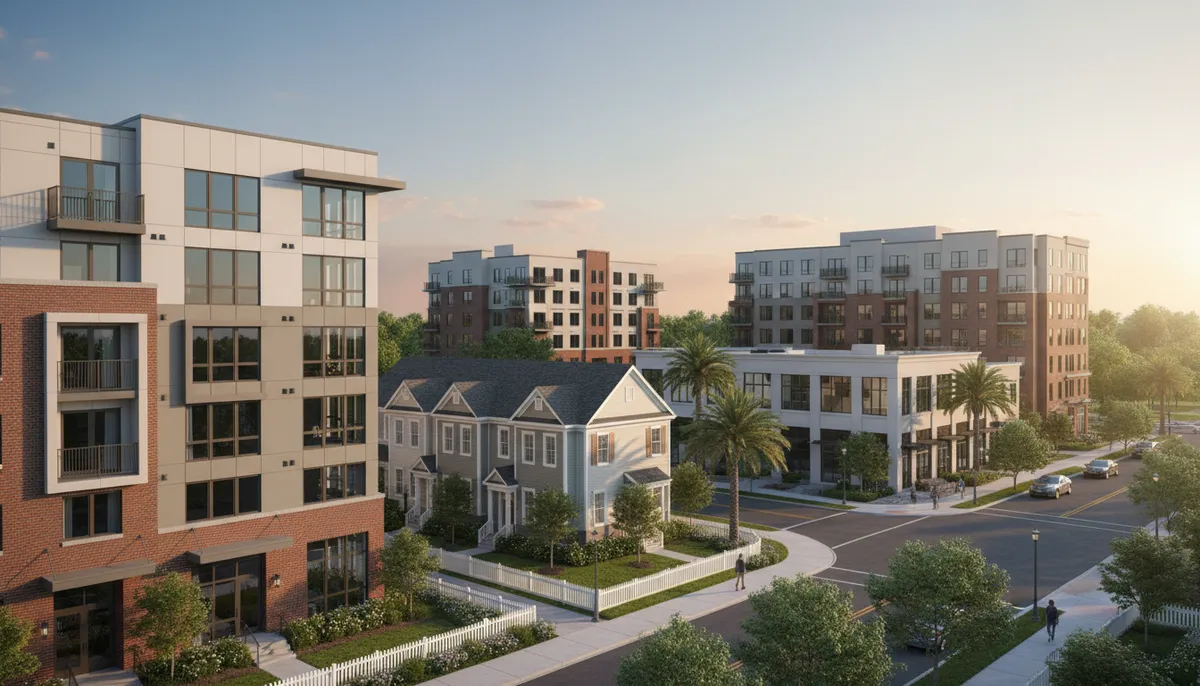
Multi-family properties generate multiple income streams from one investment, protecting cash flow during vacancies and offering economies of scale.
-
Vacation rentals near Jacksonville beaches can command $150-$400 per night, with significantly higher income potential compared to traditional rentals.
-
Fix-and-flip investments require expertise but can generate substantial returns by purchasing and renovating distressed properties within 6-12 months.
-
Commercial properties provide stable, long-term leases with tenants often handling maintenance, particularly attractive near Jacksonville's logistics hub.
-
New construction investment properties attract quality tenants with modern features, warranty coverage, and premium rental rates in growing communities.
-
Turnkey properties offer immediate cash flow and convenience for investors wanting a hands-off approach, though they come at a premium price.
Have you ever dreamed of earning money while you sleep? Investment properties make that dream a reality for thousands of Jacksonville residents every year. Unlike your primary home where you live, an investment property is real estate you purchase specifically to generate income through rentals, appreciation, or resale profits. In 2026, Jacksonville’s booming population growth and strong job market create incredible opportunities for both new and experienced real estate investors.
Whether you’re a first-time investor or looking to expand your portfolio, understanding the different types of investment properties available can transform your financial future. With rental demand surging and strategic neighborhoods offering solid returns, now is the perfect time to explore how investment properties can work for you. Let me walk you through the seven most profitable types of investment properties in Jacksonville, and show you exactly how to get started building generational wealth through real estate.

1. Single-Family Rental Homes
Single-family rental homes remain the most popular entry point for new investors in Jacksonville. These standalone properties attract long-term tenants—typically families who want yard space and neighborhood stability. The beauty of single-family homes is their simplicity: one tenant, one lease, and straightforward maintenance responsibilities.
In neighborhoods like Mandarin and Arlington, single-family rentals consistently deliver steady cash flow with lower vacancy rates than multi-family units. Many investors target properties in the $200,000-$300,000 range, which typically rent for $1,800-$2,400 monthly. With proper screening and management, these properties provide reliable income month after month.
The key advantage? Single-family homes appreciate faster than most other property types and offer easier exit strategies. When you’re ready to sell, you can market to both investors and regular homebuyers, expanding your potential buyer pool significantly. Plus, financing these properties is relatively straightforward compared to commercial real estate.
Financing Single-Family Investment Properties
Getting a loan for a single-family investment property requires more upfront capital than buying a primary residence. In 2026, most lenders require 15-25% down payments for investment properties, along with credit scores above 620 (though 740+ gets you the best rates). Interest rates on investment property loans typically run 0.5-1.0% higher than primary residence mortgages.
Conventional loans remain the most common financing option since government-backed loans like FHA and VA are reserved for owner-occupied properties. Lenders also scrutinize your debt-to-income ratio more carefully and often require cash reserves covering 6-12 months of mortgage payments. If you’re ready to explore financing options, use our mortgage payment calculator to estimate your monthly costs and returns.
2. Multi-Family Properties (Duplexes and Fourplexes)
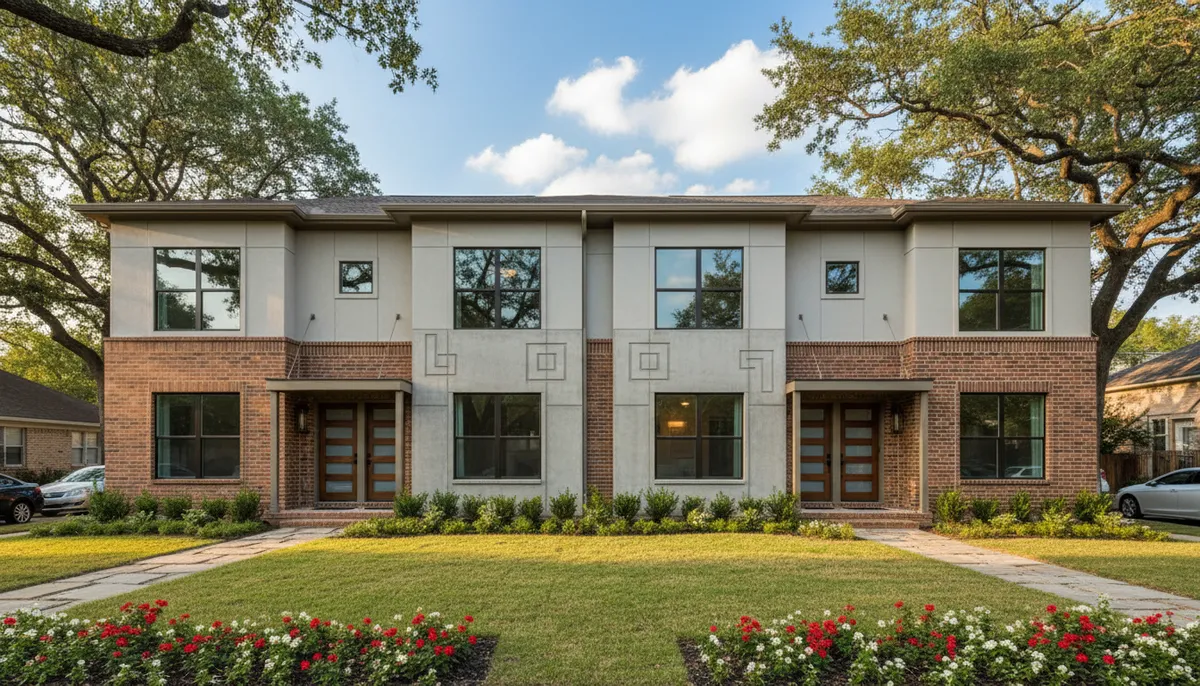
Multi-family properties pack serious earning potential into a single investment. A duplex (two units) or fourplex (four units) generates multiple income streams from one property, which means if one tenant moves out, you still collect rent from the others. This built-in cushion protects your cash flow during vacancies.
Jacksonville’s Riverside and Springfield neighborhoods offer excellent multi-family opportunities with strong rental demand from young professionals and students. These properties typically require larger initial investments—expect to pay $350,000-$600,000 for well-maintained duplexes in desirable areas. However, the rental income from multiple units often covers your mortgage payment entirely, sometimes with cash flow left over.
Another major benefit: economies of scale. Maintaining one roof, one yard, and one property is cheaper per unit than managing multiple single-family homes scattered across town. You’ll save on maintenance costs, property management fees, and your time driving between properties for inspections and repairs.
House Hacking Strategy
Here’s a wealth-building secret many successful investors use: house hacking. Live in one unit of your duplex or fourplex while renting out the others. This strategy qualifies you for owner-occupied financing with lower down payments (sometimes just 3.5% with FHA loans) and better interest rates. Your tenants essentially pay your mortgage while you build equity and live for free or minimal cost. After a year, you can move out, convert it to a full investment property, and repeat the process with another multi-family purchase.

3. Vacation Rental Properties
Jacksonville’s proximity to beautiful beaches makes vacation rentals incredibly lucrative for savvy investors. Properties near Jacksonville Beach, Neptune Beach, and Ponte Vedra can command $150-$400 per night depending on size, amenities, and season. Unlike traditional rentals with 12-month leases, vacation rentals offer flexibility and significantly higher income potential.
The vacation rental market exploded in recent years as travelers prefer private homes over hotels. Platforms like Airbnb and VRBO make managing bookings straightforward, though success requires attention to detail. Properties need attractive furnishings, excellent photos, responsive communication, and strategic pricing that adjusts with demand.
Keep in mind that vacation rentals demand more active management than traditional rentals. You’ll handle frequent turnovers, coordinate cleaning services between guests, and respond to maintenance issues quickly. However, many investors find the higher income worth the extra effort. During peak summer months, a well-positioned beach property can generate what a traditional rental earns in three or four months.
Before purchasing a vacation rental, research local regulations carefully. Some Jacksonville neighborhoods restrict short-term rentals, and HOA rules may prohibit them entirely. Also consider seasonality—Jacksonville’s tourism peaks in summer but remains steady year-round thanks to business travelers and sporting events. To explore investment opportunities in beach communities, search available homes in coastal areas.
4. Fix-and-Flip Properties
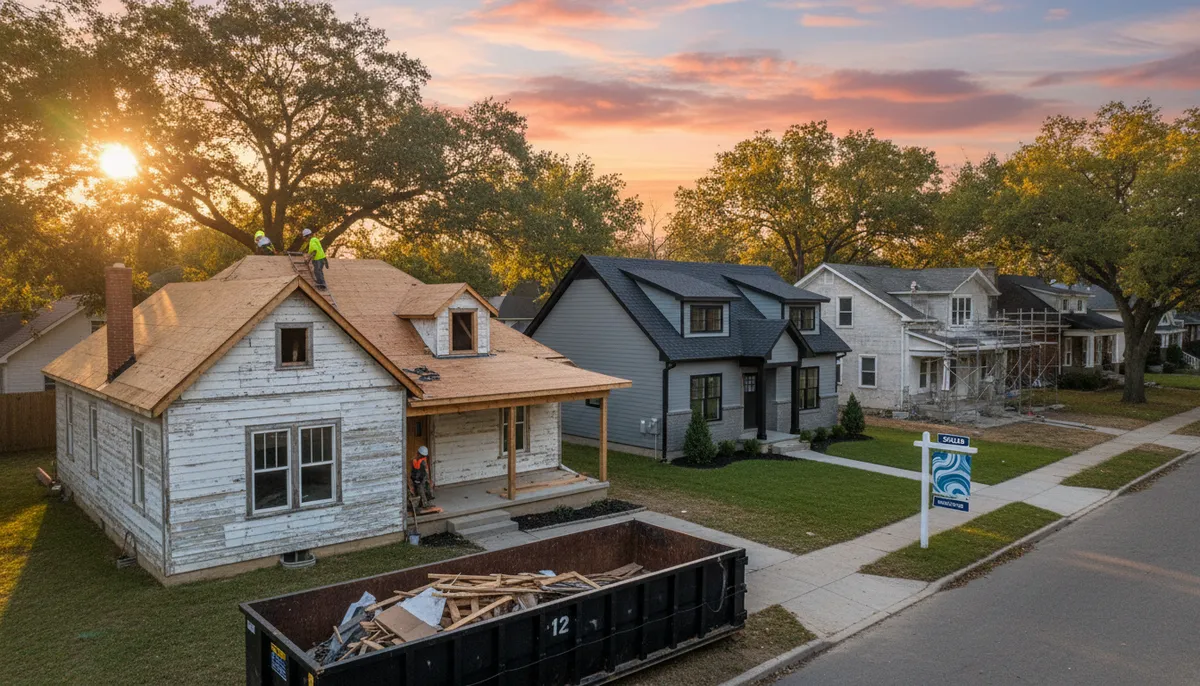
Fix-and-flip investing involves purchasing distressed properties, renovating them, and selling for profit within 6-12 months. This strategy requires more expertise than buy-and-hold rentals but can generate substantial returns quickly. Jacksonville’s diverse neighborhoods offer numerous flip opportunities, from cosmetic updates in established areas to complete renovations in emerging markets.
Successful flipping requires accurate cost estimates, reliable contractors, and understanding what buyers want in specific neighborhoods. In San Marco, buyers expect high-end finishes and modern amenities. In Northside neighborhoods, functional updates and curb appeal matter more than luxury features. Knowing your target market prevents over-improving or under-delivering.
The numbers must work before you buy. Experienced flippers follow the 70% rule: pay no more than 70% of the after-repair value (ARV) minus renovation costs. For example, if a property’s ARV is $300,000 and needs $50,000 in repairs, your maximum purchase price should be $160,000 (70% of $300,000 = $210,000 minus $50,000 repairs). This formula ensures enough profit margin to cover holding costs, selling expenses, and unexpected issues.
Financing Your Flip
Most flippers use hard money loans or private lenders rather than conventional mortgages because traditional financing moves too slowly in competitive markets. Hard money loans close quickly (often within days) but charge higher interest rates of 8-12% annually plus points. Since flips typically sell within 6-12 months, the higher rates are manageable for short-term projects.
- Find distressed properties through foreclosure auctions, probate sales, or direct marketing to motivated sellers
- Secure financing quickly through hard money lenders or cash reserves
- Hire experienced contractors and manage the renovation timeline carefully
- List the property immediately upon completion to minimize holding costs
- Close the sale and reinvest profits into your next project
5. Commercial Investment Properties
Commercial properties—including retail spaces, office buildings, and warehouses—operate differently than residential investments. Leases typically span 3-10 years, providing stable, predictable income with fewer turnovers. Tenants often handle maintenance and repairs through triple-net leases, reducing your management burden significantly.
Jacksonville’s commercial market thrives thanks to the city’s logistics hub status and growing business community. Properties near major highways, the port, and industrial parks command strong rental rates. Initial investments are substantial (often $500,000+), but experienced investors appreciate the lower management intensity compared to residential rentals.
Commercial property values are calculated differently than residential real estate. Instead of comparable sales, commercial properties are valued using the capitalization rate (cap rate)—the ratio of net operating income to property value. A property generating $100,000 annually in net income with a 7% cap rate is worth approximately $1.43 million. Understanding cap rates helps you evaluate deals accurately and negotiate effectively.
Risks and Rewards of Commercial Real Estate
Commercial investing requires deeper pockets and more expertise than residential properties. Economic downturns impact commercial tenants harder—businesses close or downsize, leaving you with vacant space that’s harder to fill than empty apartments. However, during strong economic periods, commercial properties deliver superior returns and require minimal day-to-day involvement. Many successful residential investors transition to commercial real estate after building their portfolio and expertise.
6. New Construction Investment Properties
Buying newly constructed homes as investment properties offers distinct advantages: no immediate repairs, modern features that attract quality tenants, and builder warranties covering major systems. Jacksonville’s explosive growth fuels continuous new development, particularly in Clay County and St. Johns County where families seek newer communities with top-rated schools.
New construction typically commands premium rents because tenants pay extra for move-in-ready homes with contemporary layouts and energy-efficient appliances. Properties in communities like Nocatee and Oakleaf Plantation maintain high occupancy rates and attract long-term, stable tenants. The trade-off is higher purchase prices and lower immediate cash-on-cash returns compared to older properties.
Smart investors purchase during the pre-construction phase, locking in today’s prices while the property appreciates during the 6-12 month build time. This strategy requires careful timing and market knowledge—you want the property completed when rental demand is strong. Working with an experienced agent who understands new construction timing and builder incentives is crucial for maximizing returns.
7. Turnkey Investment Properties
Turnkey properties are fully renovated, tenant-occupied investments that generate immediate cash flow from day one. These properties appeal to busy professionals, out-of-state investors, and anyone wanting passive income without renovation headaches. A turnkey provider handles everything: purchasing the property, completing renovations, screening tenants, and often offering property management services.
The convenience comes at a cost—turnkey properties typically sell for retail prices or higher, reducing your equity position and cash-on-cash returns. However, many investors gladly pay this premium to avoid renovation risks, contractor issues, and tenant placement challenges. Turnkey investing works particularly well for building diversified portfolios across multiple markets without physically managing properties.
When evaluating turnkey opportunities, scrutinize the numbers carefully. Verify the property condition independently (never skip the inspection), confirm rental rates match market data, and understand all fees involved. Reputable turnkey providers offer realistic projections and transparent communication. For guidance navigating Jacksonville’s investment market, contact our team for expert local insights.
Due Diligence for Turnkey Properties
Research the turnkey company’s reputation thoroughly. Check reviews, request references from past investors, and verify their track record in your target market. Understanding the property management structure is critical—some companies require you to use their management services at rates higher than market average. Calculate all costs including management fees, maintenance reserves, and HOA dues to ensure the investment meets your return requirements.
Key Considerations for Jacksonville Investment Properties in 2026
Successfully investing in Jacksonville real estate requires understanding both opportunities and challenges in 2026’s market. Interest rates remain elevated compared to the pandemic era, making positive cash flow harder to achieve without substantial down payments. Many investors target 8-12% cash-on-cash returns, though current rates push some properties below that threshold.
Lenders carefully evaluate investment property loans using the Debt Service Coverage Ratio (DSCR)—a measure of how well rental income covers mortgage payments. Most lenders require DSCR above 1.25, meaning rental income must exceed the mortgage payment by at least 25%. This requirement protects both you and the lender from overleveraged investments that drain your finances monthly.
Jacksonville’s specific market dynamics favor investors right now. The city’s population grows steadily as companies relocate here and remote workers seek affordable living. This migration creates consistent rental demand across price points. However, success requires choosing the right neighborhoods—locations near job centers, quality schools, and amenities command higher rents and lower vacancy rates.
Tax Benefits Every Investor Should Know
Investment properties offer powerful tax advantages that dramatically improve returns. In 2026, investors can deduct mortgage interest, property taxes, insurance, maintenance costs, and property management fees. Perhaps most valuable is depreciation—the IRS lets you deduct a portion of the property’s value annually even though real estate typically appreciates.
Recent tax law changes benefit investors significantly. Section 179 expensing limits increased to $2.5 million in 2026, allowing larger deductions for property improvements and equipment. Bonus depreciation remains available for personal property and land improvements, accelerating deductions into earlier years. Estate tax exemptions also increased to $15 million per person ($30 million per couple), helping investors plan generational wealth transfers more effectively.
Opportunity Zones—special tax-deferred investment zones—see their deferred gains become taxable by the end of 2026. However, new permanent features start in 2027, so consult with a tax professional about timing strategies. Working with a CPA who specializes in real estate ensures you capture every available deduction and structure investments tax-efficiently.
Calculating Returns and Managing Risk
Smart investors evaluate potential investments using multiple metrics beyond simple cash flow. Cash-on-cash return divides annual cash flow by total cash invested (down payment, closing costs, and initial repairs). A property generating $6,000 annual cash flow with $60,000 invested delivers a 10% cash-on-cash return. While rates in 2026 make achieving 10%+ returns challenging, combining cash flow with appreciation and tax benefits still yields attractive total returns.
Cap rate (capitalization rate) measures the relationship between net operating income and property value. Divide annual NOI by purchase price to calculate cap rate. Jacksonville investment properties typically trade at 5-8% cap rates depending on location, condition, and tenant quality. Higher cap rates indicate higher returns but often come with increased risk through location, property condition, or tenant stability.
Understanding these calculations helps you compare opportunities objectively and avoid emotion-driven decisions. Numbers don’t lie—if the math doesn’t work at current prices and rates, patience beats overpaying. Jacksonville’s market offers diverse opportunities, so disciplined investors find deals that meet their return requirements without taking excessive risks.
Risk Management Strategies
- Maintain cash reserves covering 6-12 months of expenses for vacancies and unexpected repairs
- Screen tenants thoroughly using credit checks, income verification, and rental history
- Purchase comprehensive landlord insurance covering liability, property damage, and lost rent
- Diversify across property types and neighborhoods to reduce concentration risk
- Build relationships with reliable contractors before emergencies arise
- Consider property management services if you lack time or expertise for hands-on management
Why Jacksonville Excels for Investment Properties
Jacksonville offers investment advantages that few markets match. The city’s business-friendly environment and lack of state income tax attract companies and workers from higher-cost markets. Major employers like Amazon, JPMorgan Chase, and the Navy provide employment stability that supports consistent rental demand. This economic foundation means your tenants have stable jobs and can reliably pay rent.
Compared to other Florida markets like Miami or Tampa, Jacksonville delivers superior affordability. Median home prices remain significantly lower while rental rates continue climbing, creating favorable rent-to-price ratios. This combination allows investors to achieve positive cash flow more easily than expensive coastal markets where properties cost $500,000+ but rent for only $2,500 monthly.
Geographic diversity within Jacksonville lets investors target specific strategies and risk profiles. Want high cash flow with moderate appreciation? Consider Northside neighborhoods with affordable properties and strong rental demand. Prefer lower cash flow with superior appreciation? Focus on established areas like Mandarin and San Marco where property values consistently increase. This variety means every investor can find opportunities matching their goals and risk tolerance.
As someone who has helped countless investors build wealth through Jacksonville real estate, I understand what it takes to succeed in this market. Growing up in apartments, I witnessed firsthand how homeownership and investment properties create opportunities for families to achieve financial freedom. That’s why at Jeremy Torres Real Estate, we treat every investment property purchase as if it were our own, ensuring you find opportunities that truly build generational wealth. Check out Jeremy’s sold listings to see how we’ve helped other investors succeed.
Getting Started With Your First Investment Property
Starting your investment journey feels overwhelming, but breaking the process into manageable steps makes it achievable. Begin by clarifying your goals: Do you want immediate cash flow or long-term appreciation? How much can you invest upfront? How involved do you want to be in property management? Honest answers to these questions guide your strategy and property selection.
Next, get your finances in order. Meet with lenders to understand how much you qualify for and what documentation they require. Most investment property loans need tax returns, bank statements, and verification of rental income from existing properties. Pre-approval gives you confidence and credibility when making offers in competitive markets.
Education separates successful investors from those who struggle. Read books, attend local real estate investment meetings, and learn from experienced investors. Understanding concepts like cap rates, cash-on-cash returns, and DSCR prevents costly mistakes. Many new investors partner with experienced investors on their first deal, learning the process while sharing risks and rewards.
Your Investment Property Checklist
- Define your investment goals and criteria clearly
- Secure financing pre-approval from investment property lenders
- Research Jacksonville neighborhoods for rental demand and appreciation potential
- Build your team: real estate agent, lender, inspector, contractor, property manager
- Analyze potential properties using cash-on-cash return and cap rate calculations
- Conduct thorough due diligence including inspections and rent comparables
- Close on the property and implement your management strategy
- Track expenses meticulously for tax purposes and performance evaluation
Common Investment Property Mistakes to Avoid
Even experienced investors make mistakes, but learning from others’ errors saves you money and stress. The most common mistake is underestimating expenses. First-time investors often forget to budget for vacancies, capital expenditures (roof, HVAC, appliances), property management fees, and surprise repairs. A good rule: budget 50% of gross rent for all expenses except the mortgage payment. This conservative approach prevents cash flow surprises.
Another frequent error is emotional decision-making. Falling in love with a property’s potential blinds investors to red flags like bad locations, major structural issues, or unrealistic rental projections. Successful investing requires cold, objective analysis—if the numbers don’t work, walk away regardless of how beautiful the home looks or how much potential you see.
Neglecting proper tenant screening causes endless headaches. Thorough screening—credit checks, income verification, landlord references, and criminal background checks—takes time but prevents problem tenants who damage property, pay late, or require expensive evictions. One bad tenant can wipe out years of profits, so never skip screening to fill vacancies quickly.
Lessons From Jacksonville’s Market
- Don’t ignore neighborhood crime statistics and school ratings—they directly impact tenant quality and property values
- Avoid buying in declining areas hoping for turnarounds that may never materialize
- Never waive inspections to win bidding wars—unknown issues can destroy your investment returns
- Budget 10-15% above contractor estimates for renovations—projects always cost more than planned
- Understand HOA rules before purchasing—some prohibit rentals entirely or impose restrictive lease terms
- Consider flood insurance requirements in coastal and low-lying Jacksonville areas
Working With the Right Investment Partner
Partnering with an experienced real estate professional who understands investment properties transforms your success rate. Not all agents understand investor needs—many focus exclusively on primary residences and lack knowledge of rental markets, cap rates, and investment analysis. An investor-focused agent provides rental comps, neighborhood insights, and guidance on properties that meet your return requirements.
At Jeremy Torres Real Estate, investment properties are a core specialty. With over $6 million in sales volume and extensive experience in Clay, Duval, Nassau, St. Johns, and Flagler Counties, we know which neighborhoods deliver strong returns and which to avoid. Our team has participated in over 2,500 flips in Jacksonville, giving us insights into property values, renovation costs, and after-repair values that most agents simply don’t possess.
Beyond transaction expertise, we’ve saved clients over $100,000 through strategic negotiations, identifying potential issues during due diligence, and connecting investors with reliable contractors, property managers, and lenders. Building wealth through real estate isn’t just our business—it’s our passion. Having helped my own mother achieve homeownership after 40+ years of renting, I understand the life-changing impact of real estate investment and bring that dedication to every client relationship.
Ready to start building wealth through Jacksonville investment properties? Whether you’re purchasing your first rental or expanding an existing portfolio, we’re here to guide you every step of the way. Visit us at our Google Business Profile to see what our clients say about working with Jeremy Torres Real Estate, and let’s discuss your investment goals today.
Conclusion: Your Path to Financial Freedom Through Investment Properties
Investment properties remain one of the most reliable paths to building generational wealth, and Jacksonville’s strong fundamentals make it an ideal market for both new and experienced investors in 2026. Whether you choose single-family rentals for steady cash flow, multi-family properties for economies of scale, vacation rentals for premium income, or fix-and-flips for quick profits, opportunities abound across our diverse neighborhoods.
Success requires education, discipline, and the right partnership. Understanding financing requirements, calculating returns accurately, managing risks proactively, and leveraging tax benefits separates profitable investors from those who struggle. Jacksonville’s growing population, diverse economy, and affordable prices create a foundation for long-term success that few markets can match.
The best time to start investing was yesterday—the second best time is today. Every month you wait is another month of appreciation, cash flow, and tax benefits you miss. With proper guidance and strategic property selection, you can join the thousands of Jacksonville residents who have built financial security through investment real estate.
At Jeremy Torres Real Estate, we’re committed to helping you achieve your investment goals with transparency, expertise, and unmatched dedication. From analyzing your first potential property to building a multi-property portfolio, we’re here to ensure your success every step of the way. Contact Jeremy Torres today to schedule your investment property consultation and start building the financial future you deserve. Your journey to financial freedom through Jacksonville real estate begins with a single conversation—let’s make it happen together.
FAQs
Q: What’s the difference between a second home and an investment property?
A: The key difference is occupancy and rental restrictions. You can live in a second home up to 180 days per year but can only rent it 14 days annually. Investment properties have no rental limits but you can only occupy them up to 14 days per year. This distinction matters for financing—second homes get better rates than investment properties but have stricter usage rules.
Q: How much down payment do I need for an investment property in Jacksonville in 2026?
A: Most lenders require 15-25% down for investment properties, significantly more than the 3-5% needed for primary residences. The exact amount depends on your credit score, income, and the property type. Higher down payments typically secure better interest rates and improve your chances of loan approval.
Q: Are rental properties a good investment in Jacksonville right now?
A: Yes, Jacksonville offers strong investment potential thanks to steady population growth, diverse employment, and affordable property prices compared to other Florida markets. However, elevated interest rates in 2026 make achieving positive cash flow more challenging without substantial down payments. Focus on properties in high-demand neighborhoods near jobs, schools, and amenities for best results.
Q: What tax benefits do investment property owners get in 2026?
A: Investment property owners can deduct mortgage interest, property taxes, insurance, maintenance, and management fees. You can also depreciate the property value over 27.5 years, creating paper losses that reduce taxable income. In 2026, Section 179 expensing increased to $2.5 million for equipment and improvements, while bonus depreciation remains available for personal property and land improvements.
Q: How do I calculate if an investment property will make money?
A: Start with cash-on-cash return: divide annual cash flow by total cash invested (down payment plus closing costs). Target 8-12% returns, though 2026 rates make this challenging. Also calculate cap rate by dividing net operating income by purchase price—Jacksonville properties typically range from 5-8%. Always budget 50% of gross rent for expenses excluding your mortgage to avoid surprises.