Key Takeaways
-
Jacksonville offers exceptional investment opportunities with median home prices between $278,000-$297,000 after a market correction in 2025.
-
Single-family homes provide stable investments with consistent rental income, particularly in growing neighborhoods like Mandarin and Southside.
-
Multi-family properties deliver superior cash flow by generating multiple rental streams from a single property, with strong demand in key business districts.
-
Fix-and-flip projects in transitional neighborhoods can yield 70-80% returns, especially with strategic kitchen and bathroom improvements.
-
Vacation rentals near Jacksonville beaches present high-income potential with year-round tourist attraction and annual rent growth of 4.15%.
-
Pre-foreclosure and distressed properties offer deep discount opportunities for investors willing to move quickly and conduct thorough due diligence.
Jacksonville’s real estate market is buzzing with opportunity for savvy investors in 2026. After a 4.4% price correction in 2025, the city now offers a rare buyer’s market where median home prices hover around $278,000 to $297,000. This reset creates an ideal entry point for building long-term wealth through rental properties and strategic acquisitions.
What makes Jacksonville particularly exciting is its ranking as one of the National Association of Realtors’ top 10 housing hot spots for 2026. The city’s explosive population growth—adding over 130,000 residents in the last decade—combined with strong job markets and attractive rental yields of 6.2% to 8.6% position it as a powerhouse for real estate investment. Whether you’re a first-time investor or expanding your portfolio, Jacksonville offers diverse opportunities that balance affordability with impressive returns.
As someone who has helped countless investors navigate the Jacksonville market, I’ve seen firsthand how the right property choice transforms financial futures. Let me walk you through seven types of investment properties that are building real wealth for investors right now.
1. Single-Family Homes in Growing Neighborhoods
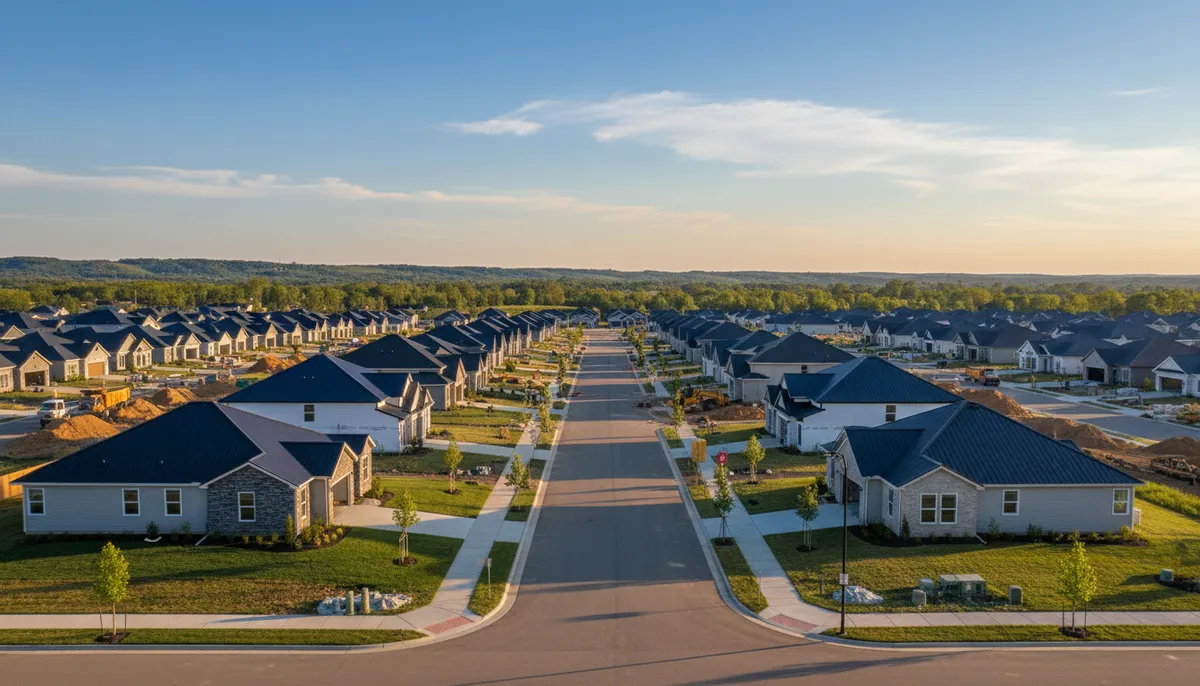
Single-family homes remain the cornerstone of successful real estate investment portfolios in Jacksonville. These properties appeal to families relocating from higher-cost metros who value Jacksonville’s affordable lifestyle and excellent schools. With median home prices at $278,000, you can secure quality properties that generate consistent rental income while appreciating over time.
The beauty of single-family investments lies in their stability. Families tend to stay longer than apartment renters, reducing turnover costs and vacancy periods. In neighborhoods like Mandarin, Southside, and the growing Westside corridor, you’ll find homes that attract reliable tenants willing to pay $1,400 to $1,672 monthly for 2-bedroom rentals.
Current inventory levels provide 58 days to pending status, giving you negotiation power that wasn’t available during the 2020-2022 buying frenzy. This breathing room allows thorough inspections and better deal terms.
Key Benefits of Single-Family Investments
- Lower maintenance costs compared to multi-unit buildings
- Easier property management for new investors
- Strong appreciation potential in established neighborhoods
- Higher quality tenant pool seeking stable housing
- Easier financing options with conventional mortgages
- Greater flexibility for future sale or owner occupancy
2. Multi-Family Properties for Maximum Cash Flow
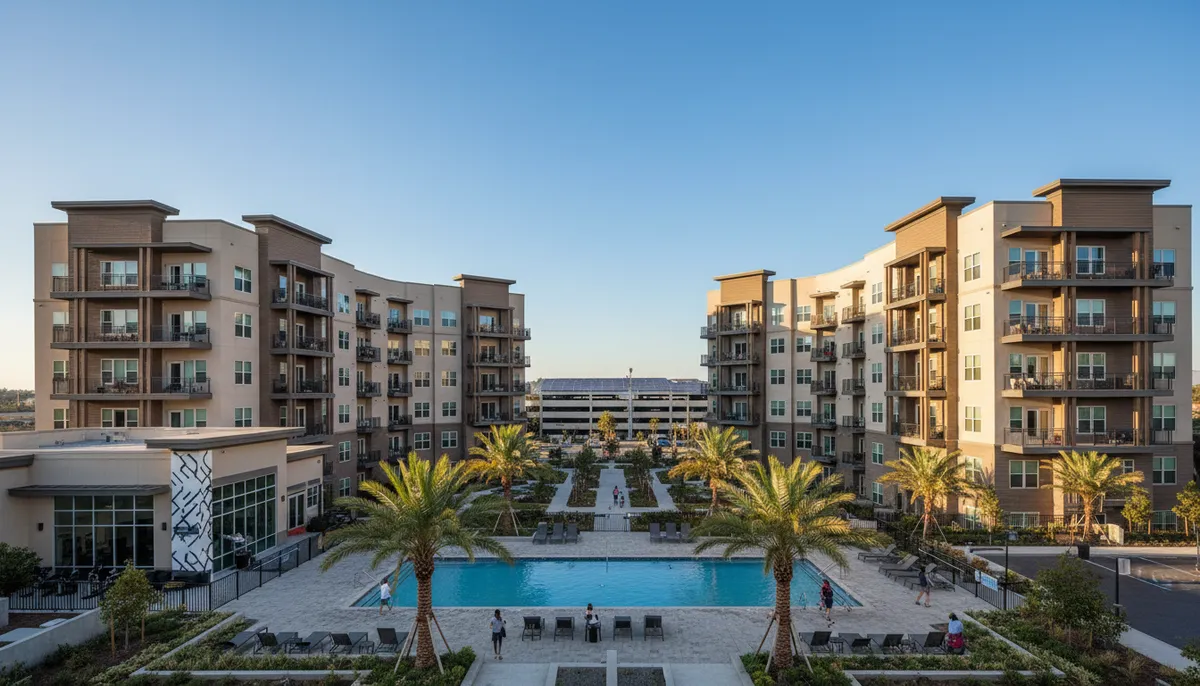
Multi-family properties deliver the cash flow punch that serious investors crave. Duplexes, triplexes, and small apartment buildings allow you to collect multiple rent checks from a single property, spreading risk while maximizing returns. Jacksonville’s rental vacancy rate sits at a healthy 5.4%, meaning demand consistently outpaces supply.
The math works beautifully with multi-family investments. When one unit experiences turnover, the other units continue generating income to cover your mortgage and expenses. This built-in safety net protects your investment during transition periods. Many investors start with a house hack strategy, living in one unit while renting the others to offset their housing costs entirely.
Look for properties near employment hubs like the port, downtown, and the Southside business district. These locations attract working professionals who value proximity to jobs and are willing to pay premium rents for convenience.
Top Neighborhoods for Multi-Family Investments
- Riverside/Avondale – Historic charm with walkable amenities
- Springfield – Up-and-coming area with renovation opportunities
- Murray Hill – Established neighborhood with steady demand
- Southside – Near business districts and shopping centers
- Arlington – Affordable entry points with solid rental demand
3. Fix-and-Flip Opportunities in Transitional Areas
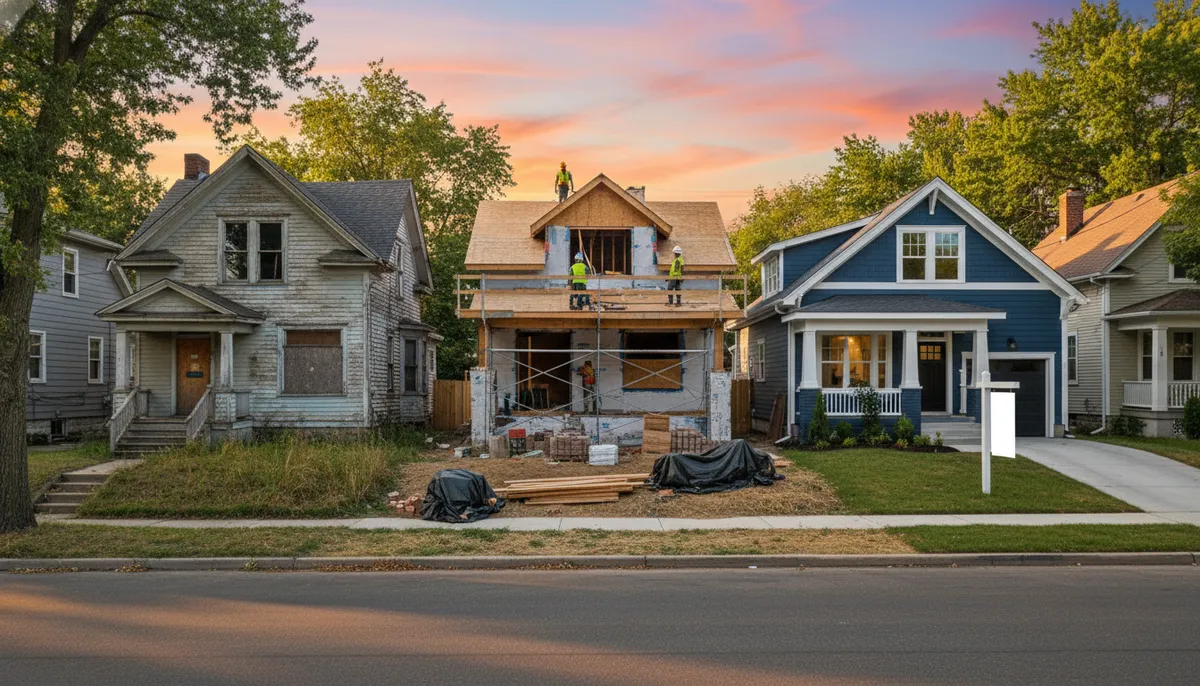
Jacksonville’s price correction created exceptional opportunities for investors who enjoy renovation projects. Properties in transitional neighborhoods offer below-market purchase prices with significant upside potential after strategic improvements. My team has completed over 2,500 flips in Jacksonville, and I can tell you the margins are real when you know where to look.
The key to successful flipping is understanding which improvements deliver the best returns. Kitchens and bathrooms typically offer 70% to 80% return on investment, while cosmetic updates like fresh paint and modern flooring transform properties quickly without breaking the bank. Focus on neighborhoods showing early signs of revitalization—new businesses opening, young families moving in, and infrastructure improvements signal future appreciation.
With mortgage rates expected to decline toward 6% nationally throughout 2026, buyer demand for renovated homes will strengthen. This creates an exit strategy advantage for flippers who time their projects correctly.
4. New Construction Properties for Modern Tenants
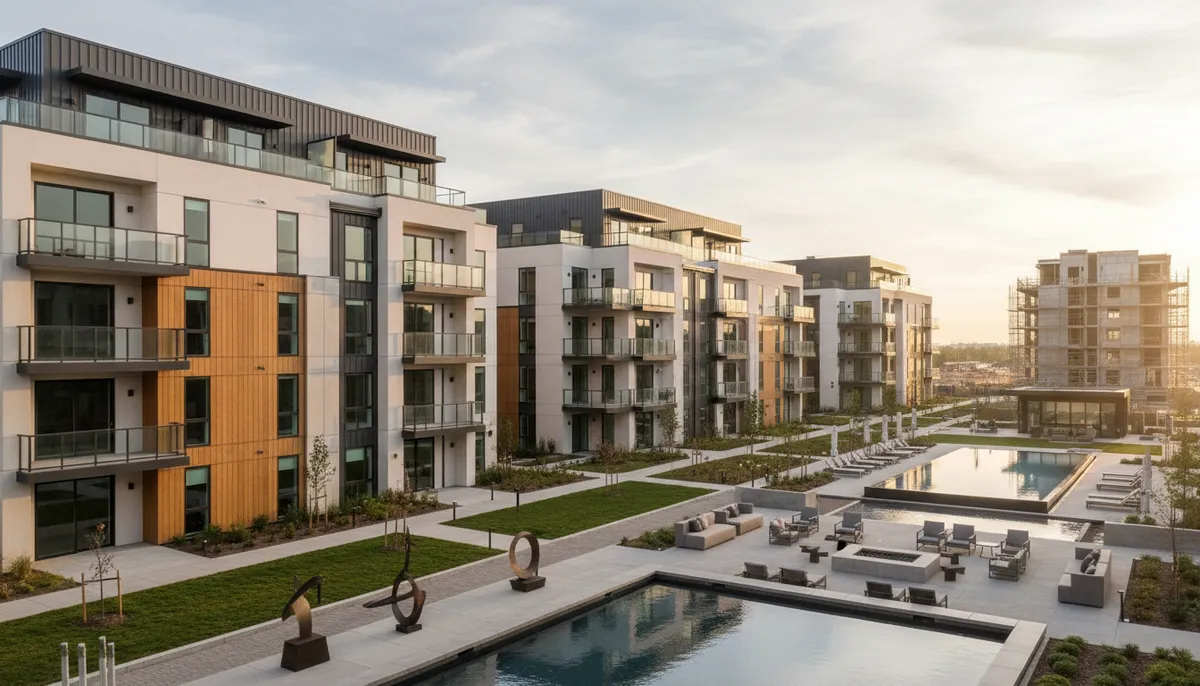
New construction properties eliminate the headaches of deferred maintenance while attracting premium-paying tenants who value modern amenities. Jacksonville’s robust development pipeline includes planned communities with contemporary floor plans, energy-efficient features, and community amenities that command higher rents.
These properties appeal to relocating professionals and young families who expect move-in ready homes with warranties and updated systems. While purchase prices run higher than existing homes, the reduced maintenance costs and higher rental rates often produce comparable or superior cash-on-cash returns.
Builder incentives in 2026 include rate buydowns, closing cost assistance, and upgrade packages that improve your investment position. Many builders also offer investor-friendly terms that streamline the acquisition process.
Advantages of New Construction Investments
- 10-year structural warranties reduce unexpected repair costs
- Energy-efficient systems lower utility expenses
- Modern designs attract quality tenants at premium rents
- Minimal maintenance for the first 5-10 years
- Builder incentives improve purchase terms
5. Vacation Rentals Near Beaches and Attractions
Jacksonville’s proximity to Atlantic beaches and St. Augustine creates vacation rental opportunities that generate impressive short-term rental income. Properties in Jacksonville Beach, Neptune Beach, and Atlantic Beach attract tourists year-round, with peak seasons delivering nightly rates that far exceed traditional long-term rents.
The vacation rental model requires more active management but rewards investors with flexibility and higher income potential. Many owners block personal vacation time while maximizing rental income during high-demand periods. Platform like Airbnb and VRBO make marketing straightforward, connecting you with travelers seeking authentic beach experiences.
Consider properties within walking distance of beaches, restaurants, and attractions. Two-bedroom condos and three-bedroom beach cottages perform exceptionally well, appealing to couples and families alike. Annual rent growth of 4.15% in Jacksonville means even if you transition to long-term rental later, your investment remains solid.
6. Value-Add Properties with Forced Appreciation
Value-add properties allow investors to create equity through strategic improvements rather than waiting for market appreciation. These properties typically need cosmetic updates, minor repairs, or better management to unlock their full potential. The forced appreciation model gives you control over your returns rather than depending solely on market conditions.
Look for properties with functional obsolescence—outdated kitchens, worn flooring, or poor curb appeal that scare away average buyers but represent opportunity for investors. After improvements, you can either refinance to pull out equity for your next deal or sell for profit. Many investors use the BRRRR strategy (Buy, Rehab, Rent, Refinance, Repeat) to build portfolios quickly with recycled capital.
Jacksonville’s diverse housing stock includes many properties built in the 1960s-1980s that benefit tremendously from modern updates. These homes sit in established neighborhoods with mature trees and good schools, making them highly desirable after renovation.
Common Value-Add Improvements and ROI
| Improvement | Average Cost | ROI Percentage | Impact on Property Value |
|---|---|---|---|
| Kitchen Remodel | $15,000-$25,000 | 70-80% | $10,500-$20,000 |
| Bathroom Update | $8,000-$15,000 | 65-75% | $5,200-$11,250 |
| Flooring Replacement | $3,000-$6,000 | 50-60% | $1,500-$3,600 |
| Exterior Paint | $2,500-$5,000 | 55-65% | $1,375-$3,250 |
| Landscaping | $1,500-$3,000 | 100-200% | $1,500-$6,000 |
7. Pre-Foreclosure and Distressed Properties
Pre-foreclosure and distressed properties represent the deepest discount opportunities in Jacksonville’s market. These situations arise when homeowners face financial hardship and need to sell quickly, often accepting below-market offers to avoid foreclosure damage to their credit. As someone who specializes in probate and foreclosure properties, I’ve helped many investors acquire exceptional deals through compassionate, win-win negotiations.
The key to success with distressed properties is moving quickly while conducting thorough due diligence. Many of these homes need repairs, but the discount more than compensates for renovation costs. Some investors wholesale these deals to other investors, while others complete repairs and either rent or resell for profit.
Working with an agent experienced in distressed properties makes all the difference. I help investors navigate the complexities of short sales, foreclosure auctions, and probate sales while ensuring legal compliance and smooth transactions. If you’re interested in exploring this investment strategy, reach out to discuss current opportunities.
Understanding Jacksonville’s Investment Landscape in 2026
Jacksonville’s investment appeal stems from fundamentals that extend far beyond short-term market fluctuations. The city’s population grew 30.52% over the last 12 years—three times the national average—and it ranks as the sixth most popular relocation destination nationwide. This sustained growth creates persistent housing demand that supports both property values and rental rates.
The economic foundation is equally impressive. Jacksonville’s diverse economy includes logistics, finance, port operations, manufacturing, and emerging tech sectors. Nearly $1 billion in capital investment flows into the area annually, creating jobs that attract workers who need housing. This economic diversity provides stability that single-industry cities lack.
For investors, timing couldn’t be better. Zillow projects home prices will bottom in the second half of 2026 before beginning another appreciation cycle. This window allows strategic acquisitions before the next upswing, positioning your portfolio for maximum growth.
Jacksonville Investment Market Snapshot
| Metric | Current Value | Trend |
|---|---|---|
| Median Home Price | $278,000-$297,000 | Bottoming out, expected to rise |
| Gross Rental Yield | 6.2-8.6% | Strong and stable |
| Population Growth (10 years) | 130,000+ residents | Accelerating |
| Days to Pending | 58 days | Buyer’s market conditions |
| Annual Rent Growth | 4.15% | Consistent increase |
Financing Your Jacksonville Investment Property
Securing the right financing dramatically impacts your investment returns. Traditional mortgages work well for owner-occupied properties and single-family investments, while portfolio lenders offer more flexible terms for experienced investors acquiring multiple properties. Interest rates are projected to decline toward 6% nationally throughout 2026, improving cash flow potential.
Many successful investors leverage creative financing strategies to maximize their purchasing power. Seller financing, assumable mortgages, and partnership arrangements provide alternatives when conventional lending doesn’t fit your situation. The key is understanding your options and structuring deals that optimize your return on investment.
Down payment requirements vary by property type and loan program. Conventional investment property loans typically require 20-25% down, while FHA and VA loans (for owner-occupied properties) offer lower down payment options. Some investors use home equity lines of credit or cash-out refinances to fund their investment property down payments.
Investment Property Financing Options
- Conventional Investment Loans – 20-25% down, competitive rates
- Portfolio Lender Loans – Flexible terms for multiple properties
- Hard Money Loans – Short-term financing for fix-and-flip projects
- Seller Financing – Negotiate directly with property owner
- Private Money – Borrow from individuals or investment groups
- Cash-Out Refinance – Use existing property equity
- HELOC – Flexible credit line secured by primary residence
Property Management Considerations
Successful real estate investing extends beyond acquisition to effective property management. Whether you self-manage or hire professionals, having systems in place protects your investment and maximizes returns. Self-management works well for local investors with one or two properties, while professional management makes sense for larger portfolios or out-of-state investors.
Property management companies typically charge 8-10% of monthly rent plus leasing fees. This cost is offset by their expertise in tenant screening, maintenance coordination, and legal compliance. They also provide the emotional buffer that helps you make business decisions rather than emotional reactions during challenging situations.
For self-managers, establishing clear processes for rent collection, maintenance requests, and tenant communication prevents small issues from becoming major problems. Many investors use property management software to streamline operations and maintain professional standards even with smaller portfolios.
Tax Benefits of Investment Property Ownership
Real estate investment offers tax advantages that significantly enhance overall returns. Understanding these benefits helps you structure investments optimally and keep more of your profits. Depreciation allows you to deduct a portion of your property’s value each year, reducing taxable income even while the property appreciates. Mortgage interest, property taxes, insurance, and maintenance expenses are also deductible.
The 1031 exchange provision enables investors to defer capital gains taxes by reinvesting proceeds into new investment properties. This powerful strategy allows wealth accumulation through property trading without immediate tax consequences. Many successful investors build substantial portfolios by continuously exchanging up to larger or more profitable properties.
Always consult with a qualified tax professional who understands real estate investing. The tax code offers numerous advantages, but proper documentation and compliance are essential. The money you save through strategic tax planning often exceeds the cost of professional advice many times over.
Major Tax Deductions for Investment Properties
- Mortgage interest payments on investment loans
- Property taxes and insurance premiums
- Depreciation of building structure (27.5 years residential)
- Repairs and maintenance expenses
- Property management fees and advertising costs
- Travel expenses for property visits
- Professional services (legal, accounting, property management)
- Home office deduction for management activities
Building Your Investment Strategy
Successful investing starts with clear goals and a well-defined strategy. Are you seeking immediate cash flow, long-term appreciation, or a balanced approach? Your timeline, risk tolerance, and available capital shape which investment properties make sense for your situation. Some investors focus exclusively on turnkey rental properties for passive income, while others prefer value-add projects that accelerate wealth building through forced appreciation.
Diversification within your real estate portfolio reduces risk while capturing different market opportunities. Combining cash-flowing rentals with strategic flips or vacation rentals balances steady income with growth potential. As your portfolio expands, you can leverage equity from performing properties to acquire additional investments, creating a snowball effect that accelerates wealth accumulation.
Education never stops in real estate investing. Markets evolve, regulations change, and new opportunities emerge. Staying connected with local market experts who understand Jacksonville’s unique dynamics gives you the competitive advantage needed to identify the best deals before they hit the broader market. I’ve helped investors save over $100,000 through strategic negotiations and insider market knowledge. You can check out what my clients say on Google about working together.
Taking Action in Jacksonville’s Investment Market
Jacksonville’s 2026 investment landscape offers a rare combination of affordability, strong fundamentals, and growth potential. The price correction created entry points that won’t last as the market stabilizes and begins its next appreciation cycle. Whether you’re drawn to traditional rentals, fix-and-flip projects, or creative strategies like vacation rentals, the opportunities are real and waiting for decisive action.
The difference between successful investors and those who miss opportunities often comes down to having the right guidance and support. As someone who specializes in investment properties and has extensive experience with new builds, foreclosures, and pre-foreclosures, I bring the local expertise and market knowledge that transforms good deals into great investments.
My passion for helping people build wealth through real estate stems from personal experience. Growing up in apartments, I understand the life-changing impact of property ownership. When I helped my mom buy her first home after 40+ years of renting, it reinforced my commitment to helping as many people as possible achieve financial freedom through smart real estate investments.
The Jacksonville market rewards investors who act strategically with proper guidance. If you’re ready to explore investment opportunities that align with your goals and build generational wealth, let’s connect. You can reach me directly to discuss your investment strategy and discover the best properties currently available. Don’t let this market window close without taking advantage of the opportunities it presents. Your future self will thank you for the action you take today.
FAQs
Q: What is the best neighborhood in Jacksonville for real estate investment in 2026?
A: The best neighborhood depends on your investment strategy. For steady cash flow, consider Arlington or Southside where median prices and rents balance well. If you prefer value-add opportunities, Springfield and Murray Hill offer renovation potential with strong appreciation prospects. For luxury investments, Mandarin and San Marco attract premium tenants. I’m happy to discuss your specific goals and match you with the perfect neighborhood.
Q: What are the typical rental yields for investment properties in Jacksonville?
A: Jacksonville investment properties currently generate gross rental yields between 6.2% and 8.6%, which is significantly higher than many other Florida markets. Single-family homes typically yield 6-7%, while multi-family properties and value-add investments can reach 8% or higher. These yields reflect the city’s affordable purchase prices combined with strong rental demand from population growth.
Q: Is now a good time to buy investment property in Jacksonville given the 2025 price correction?
A: Absolutely! The 4.4% price correction in 2025 created a buyer’s market with median prices around $278,000—providing exceptional entry points for investors. With Zillow projecting prices will bottom in late 2026 before rising again, now represents an ideal window to acquire properties before the next appreciation cycle. The combination of lower prices, reduced competition, and strong rental fundamentals makes 2026 a strategic time to invest.
Q: How much money do I need to start investing in Jacksonville real estate?
A: You can start with as little as 3.5-5% down if you house hack using an FHA loan on a multi-family property. Traditional investment properties typically require 20-25% down, meaning you’d need around $55,000-$75,000 for a median-priced property. However, creative financing options like seller financing, partnerships, or using home equity can reduce initial capital requirements. Let’s talk about your situation to identify the best path forward for your budget.
Q: What expenses should I budget for beyond the mortgage payment on an investment property?
A: Budget for property taxes (approximately 1-1.5% of property value annually), insurance ($1,200-$2,500 yearly depending on location), maintenance (1% of property value annually), potential property management (8-10% of monthly rent), and vacancy reserves (one month’s rent). Also factor in HOA fees if applicable. These expenses typically total 35-45% of monthly rent, so ensure your rental income covers both mortgage and operating costs with positive cash flow remaining.