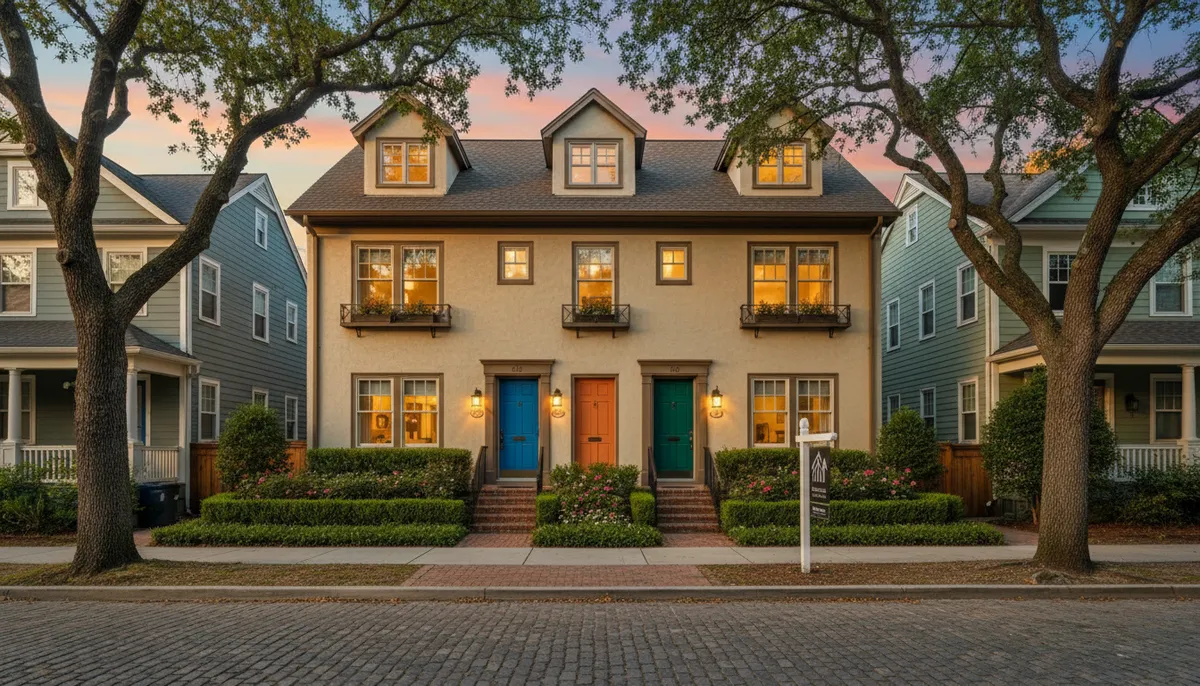
Key Takeaways
-
House hacking with multi-family properties allows you to live in one unit while tenants pay your mortgage through FHA loans requiring only 3.5% down on 2-4 unit properties.
-
Apply the 1% rule to identify cash flow properties: monthly rent should equal at least 1% of purchase price to ensure positive cash flow after all expenses.
-
Jacksonville neighborhoods like Riverside, Avondale, and San Marco show 8-12% annual appreciation rates, significantly exceeding national averages for long-term wealth building.
-
Multi-family properties valued by income production allow forced appreciation through renovations that increase unit rents, potentially adding $50,000+ to property value.
-
Westside and Northside Jacksonville offer lower entry prices ($200,000-$400,000) with immediate positive cash flow, while Riverside/San Marco require higher investment ($500,000-$800,000) but provide stronger appreciation.
-
Professional multi-family inspections costing $400-$800 are essential to evaluate multiple units, roofs, HVAC systems, and remaining component life expectancy before making offers.
-
Multi-family financing allows lenders to count 75% of projected rental income toward debt-to-income calculations, significantly increasing borrowing power compared to single-family purchases.
-
Review current rent rolls, lease agreements, 12-24 months of utility bills, and maintenance records during due diligence to identify hidden expenses that affect actual cash flow.
Are you ready to unlock the door to passive income and long-term financial freedom? Multi-family homes for sale represent one of the smartest investment opportunities in Jacksonville’s booming real estate market. Whether you’re a first-time investor or looking to expand your portfolio, these properties offer unique advantages that single-family homes simply can’t match. From generating multiple rental income streams to building equity faster, multi-family properties are transforming regular investors into savvy wealth builders. Let me walk you through everything you need to know about finding and purchasing the perfect multi-family home in 2026.
The Jacksonville real estate market has seen incredible growth over the past few years, and multi-family properties are leading the charge. With population increases, job market expansion, and affordable living costs compared to other major cities, Jacksonville offers investors a golden opportunity. I’ve personally helped countless clients navigate the multi-family market, and I’ve seen firsthand how these properties can transform financial futures. Whether you’re looking at duplexes, triplexes, or larger apartment buildings, understanding what makes a great multi-family investment is crucial to your success.
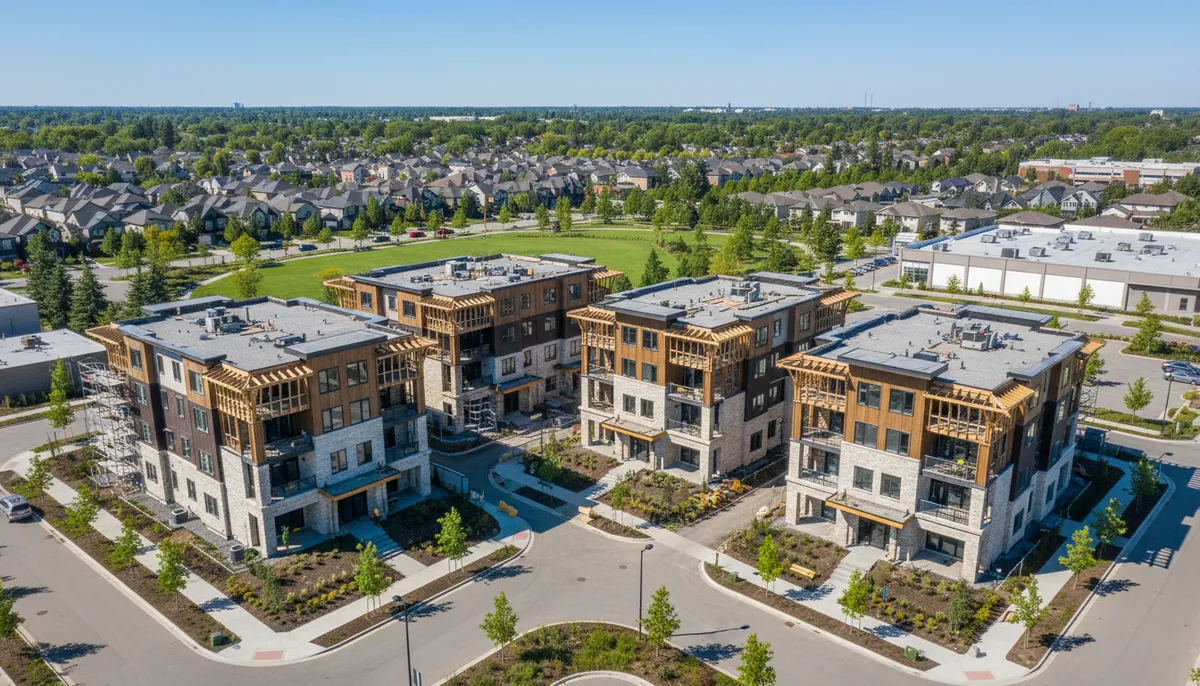
What Are Multi-Family Homes and Why Should You Care
Multi-family homes are residential properties designed to house multiple separate families in distinct living units. These properties come in various configurations, from duplexes (two units) and triplexes (three units) to fourplexes (four units) and larger apartment buildings. Each unit typically has its own kitchen, bathroom, living space, and entrance, providing privacy for tenants while allowing you as the owner to generate multiple income streams from a single property.
The beauty of multi-family homes lies in their ability to produce consistent cash flow while you build equity. Unlike single-family rentals where one vacancy means zero income, multi-family properties provide a buffer against complete income loss. If one unit sits empty, you still have rent coming in from the other units to cover your mortgage and expenses. This built-in protection makes multi-family investments significantly less risky than their single-family counterparts.
Here’s why multi-family homes deserve your attention:
- Multiple income streams from one property reduce financial risk
- Easier property management with all units in one location
- Better financing options through FHA loans for owner-occupied 2-4 unit properties
- Higher appreciation potential in growing markets like Jacksonville
- Tax advantages through depreciation and expense deductions
- Opportunity to live in one unit while tenants pay your mortgage
In Jacksonville specifically, the demand for rental housing continues to surge as more professionals relocate for job opportunities and remote work flexibility. This creates a perfect environment for multi-family investors to thrive. Investment properties in our area have consistently shown strong returns, making now an excellent time to enter the market.

1. House Hacking: Live Free While Building Wealth
House hacking is the number one strategy I recommend to first-time real estate investors, and it’s incredibly powerful with multi-family homes. The concept is simple but brilliant: you purchase a multi-family property, live in one unit, and rent out the others. Your tenants essentially pay your mortgage, allowing you to live for free or even profit while building equity in your first investment property.
Let’s say you purchase a triplex in Jacksonville’s Riverside neighborhood. You live in one unit and rent out the other two. If each unit rents for $1,200 per month, you’re collecting $2,400 monthly. Your mortgage payment might be $2,800, meaning your out-of-pocket housing cost is just $400 per month—far less than renting an apartment. Plus, you’re building equity and can deduct mortgage interest, property taxes, and maintenance expenses on the rental units.
The FHA loan program makes house hacking even more accessible. With as little as 3.5% down on properties up to four units (as long as you live in one), you can get started with much less capital than traditional investment properties require. This low barrier to entry has helped many young professionals and first-time investors break into real estate investing without needing substantial savings.
Here are the top benefits of house hacking:
- Dramatically reduce or eliminate your housing costs
- Build property management skills while living on-site
- Access favorable FHA financing with low down payments
- Quickly respond to tenant issues and property maintenance
- Build equity faster than traditional homeownership
I’ve guided numerous clients through successful house hacking strategies in Jacksonville’s diverse neighborhoods. The key is finding properties in areas with strong rental demand and good schools. Want to explore multi-family options perfect for house hacking? Contact Jeremy Torres to discuss properties that fit your investment goals.
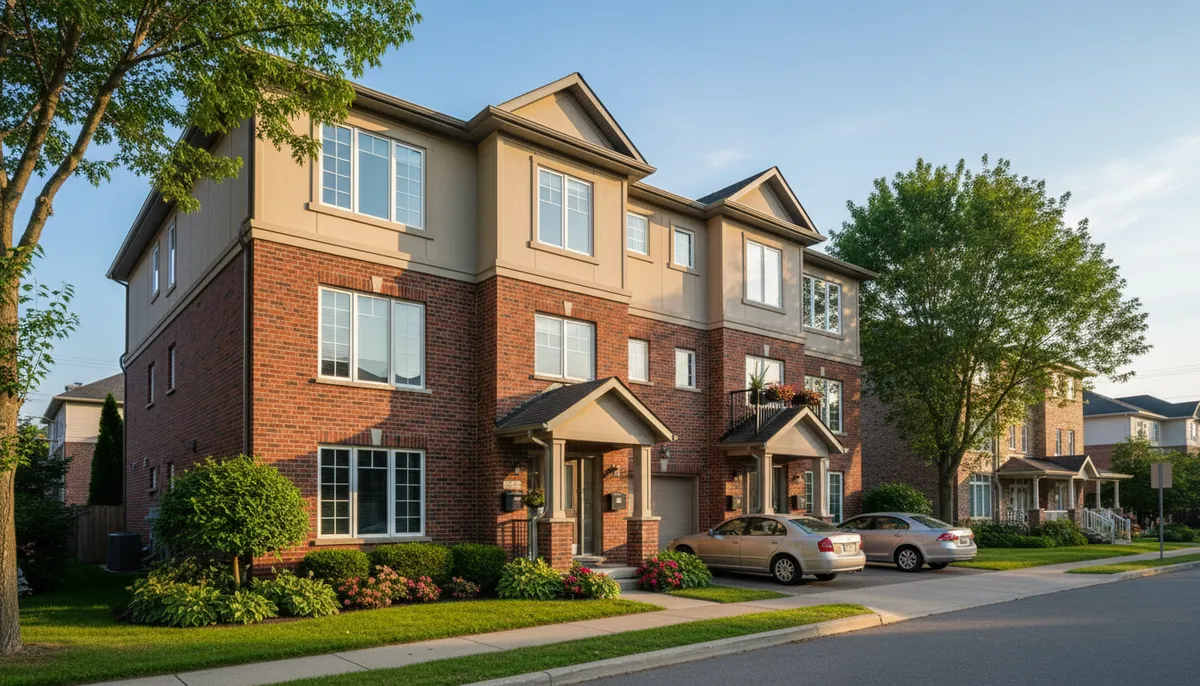
2. Cash Flow Kings: Properties That Pay You Monthly
Not all multi-family homes are created equal when it comes to generating positive cash flow. The best investments are those where rental income significantly exceeds all expenses, including mortgage payments, property taxes, insurance, maintenance, and property management fees. These cash flow properties are the foundation of building real estate wealth.
In Jacksonville, you can still find multi-family properties that produce strong cash flow, especially in up-and-coming neighborhoods experiencing revitalization. Areas like the Westside, Northside, and parts of Arlington offer lower purchase prices with solid rental demand from working families and young professionals. A fourplex purchased for $350,000 with each unit renting for $900 monthly generates $3,600 in gross income—often enough to cover all expenses and put cash in your pocket.
The key to identifying cash flow properties lies in understanding the numbers. Calculate your potential net operating income by subtracting all expenses (except mortgage payments) from your gross rental income. Then apply the 1% rule as a quick filter: your monthly rent should equal at least 1% of the purchase price. For a $300,000 property, you’d want to collect at least $3,000 monthly in rent to ensure positive cash flow.
| Expense Category | Typical Percentage of Rent | Monthly Amount (on $3,600 rent) |
|---|---|---|
| Property Management | 8-10% | $288-$360 |
| Maintenance & Repairs | 10-15% | $360-$540 |
| Property Taxes | 15-20% | $540-$720 |
| Insurance | 5-8% | $180-$288 |
| Vacancy Reserve | 5-8% | $180-$288 |
| Utilities (if owner-paid) | 5-10% | $180-$360 |
Remember that cash flow improves over time as you pay down your mortgage and rents increase with inflation. A property breaking even today might generate $500-$1,000 monthly in five years. This is why experienced investors focus on markets with strong job growth and population increases—like Jacksonville—where rental demand consistently rises. Check out our mortgage payment calculator to run numbers on potential properties.
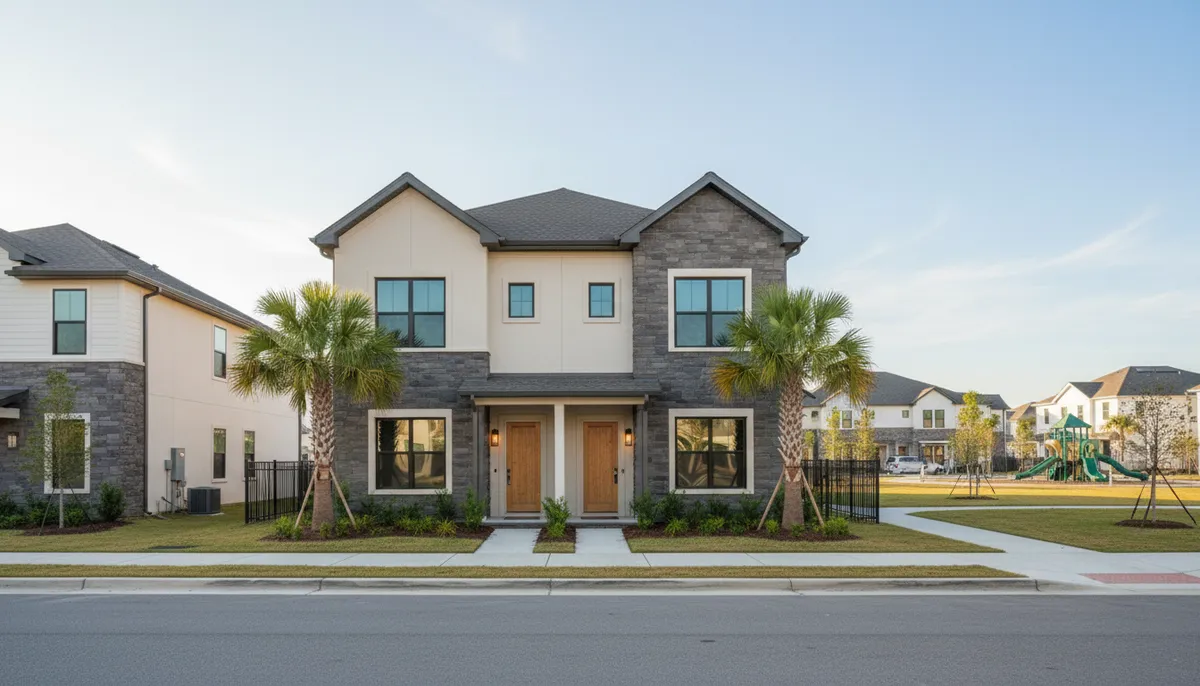
3. Appreciation Accelerators in Growing Jacksonville Neighborhoods
While cash flow keeps your investment afloat month-to-month, appreciation builds your long-term wealth. Multi-family homes in Jacksonville’s rapidly developing neighborhoods offer exceptional appreciation potential as the city continues attracting new residents and businesses. Strategic location selection can mean the difference between modest returns and life-changing wealth accumulation.
Jacksonville’s urban core has experienced significant revitalization over the past decade, with neighborhoods like Springfield, Murray Hill, and San Marco leading the charge. Multi-family properties in these areas have seen appreciation rates of 8-12% annually—far exceeding the national average. This means a $400,000 property could be worth $500,000 or more in just three to four years, creating substantial equity you can leverage for additional investments.
The key appreciation drivers to watch include:
- Proximity to major employers and job centers
- Access to quality schools and family amenities
- Walkability scores and public transportation options
- New commercial development and infrastructure improvements
- Neighborhood revitalization initiatives and crime reduction
- Distance from beaches, downtown, and entertainment districts
I always advise clients to think five to ten years ahead when selecting multi-family properties. Where is Jacksonville growing? What areas are undervalued today but positioned for explosive growth tomorrow? The Southside and parts of Arlington offer compelling opportunities for appreciation-focused investors who can afford slightly lower initial cash flow in exchange for stronger long-term gains.
Forced appreciation through property improvements is another powerful strategy with multi-family homes. Unlike single-family homes valued by comparable sales, multi-family properties are often valued by their income production. Increase rents by $100 per unit through renovations, and you might add $50,000 or more to your property’s value. This value-add approach has created millionaires in real estate investing.
4. The Numbers Game: Understanding Multi-Family Financing
Financing multi-family properties differs significantly from single-family home loans, and understanding your options can save you tens of thousands of dollars. For properties up to four units where you plan to live in one unit, FHA loans offer the most accessible path to ownership. These government-backed loans require just 3.5% down and allow you to use projected rental income to qualify, making it easier to get approved.
Conventional loans for multi-family properties typically require 15-25% down for investment properties, with interest rates slightly higher than single-family homes. However, the income-producing nature of these properties often makes them easier to qualify for than you might think. Lenders consider 75% of projected rental income when calculating your debt-to-income ratio, which can significantly boost your borrowing power.
Here’s a breakdown of common financing options:
- FHA loans: 3.5% down, owner-occupied 2-4 units, easier qualification
- Conventional loans: 15-25% down, better rates for strong credit, investment properties
- VA loans: 0% down for eligible veterans, up to 4 units owner-occupied
- Portfolio loans: Flexible terms from local banks, relationship-based lending
- Commercial loans: 20-30% down, properties 5+ units, based on property income
- Hard money loans: Short-term, high-interest, for fix-and-flip strategies
Interest rates in 2026 have stabilized after the volatility of previous years, making it an opportune time to lock in financing. I recommend getting pre-approved before you start seriously looking at properties. This shows sellers you’re a serious buyer and gives you clear budget parameters. Working with a lender experienced in multi-family financing is crucial—they understand the nuances that general mortgage officers might miss.
Don’t forget about closing costs, which typically run 2-5% of the purchase price. Budget for inspections, appraisals, title insurance, and reserves that lenders may require. Many of my investor clients use the Search Available Homes tool to identify properties that fit their financing parameters before making offers.
5. Location Intelligence: Where to Buy in Jacksonville
Location determines everything in real estate, and multi-family investments are no exception. Jacksonville’s massive geographic footprint offers diverse neighborhoods with varying investment characteristics. Understanding which areas align with your investment strategy—whether cash flow focused or appreciation oriented—is essential to long-term success.
For cash flow investors, the Westside and Northside neighborhoods offer lower entry prices with solid working-class rental demand. Properties here typically range from $200,000 to $400,000 for duplexes and triplexes, with rents around $800-$1,100 per unit. While appreciation may be slower, these areas produce immediate positive cash flow that builds your investment capital for future purchases.
Appreciation-focused investors should examine Riverside, Avondale, San Marco, and Murray Hill. These established neighborhoods closer to downtown command higher prices but offer stronger long-term growth potential. A duplex here might cost $500,000-$800,000, but rental income keeps pace at $1,400-$2,000 per unit, and property values consistently appreciate as urban living becomes increasingly desirable.
| Neighborhood | Investment Type | Avg. Property Price | Rent per Unit |
|---|---|---|---|
| Westside | Cash Flow | $250,000-$350,000 | $850-$1,050 |
| Northside | Cash Flow | $200,000-$400,000 | $800-$1,100 |
| Riverside/Avondale | Appreciation | $500,000-$800,000 | $1,400-$2,000 |
| San Marco | Appreciation | $450,000-$750,000 | $1,300-$1,900 |
| Arlington | Balanced | $300,000-$500,000 | $1,000-$1,400 |
| Southside | Balanced | $350,000-$550,000 | $1,100-$1,500 |
Don’t overlook emerging markets in Clay County and St. Johns County, where multi-family properties remain scarce but rental demand is exploding. These suburban markets attract families seeking good schools and safe communities, creating opportunities for investors willing to venture beyond traditional Jacksonville boundaries. I’ve helped clients find exceptional properties in these outlying areas that deliver both cash flow and appreciation.
6. Due Diligence: Inspecting Multi-Family Properties Like a Pro
Multi-family property inspections require more thorough evaluation than single-family homes because you’re essentially inspecting multiple homes at once. The costs are higher—expect to pay $400-$800 for a professional inspection—but skipping this step can lead to expensive surprises after closing. I’ve seen investors lose thousands by overlooking major issues that a proper inspection would have revealed.
Start with a comprehensive professional inspection covering all major systems: roof, foundation, plumbing, electrical, HVAC, and structural elements. With multiple units, you’ll have multiple water heaters, furnaces, and appliances to evaluate. Ask your inspector about the remaining life expectancy of major components and budget for replacements accordingly. A roof with only five years of life left represents a significant future expense that should factor into your offer price.
Beyond the physical inspection, conduct financial due diligence by reviewing:
- Current rent rolls showing actual collected rents (not asking rents)
- Lease agreements for all tenants, noting terms and security deposits
- Utility bills for the past 12-24 months
- Property tax records and any pending assessments
- Maintenance records and receipts for major repairs
- Any pending legal issues or code violations
Talk to current tenants if possible. They’ll tell you about problems the owner might hide, from plumbing issues to pest problems. Visit the property multiple times at different hours—morning, afternoon, and evening—to get a sense of the neighborhood dynamics and parking situations. Drive through the area on weekend nights to assess noise levels and activity.
I always recommend my investor clients bring a contractor to properties before making offers. A contractor can provide rough estimates for any needed repairs or renovations, helping you calculate your true all-in costs. This is especially important for value-add opportunities where you plan to improve the property to increase rents. For guidance on evaluating properties, check out our Real Estate Buyer Guide.
7. Property Management: DIY or Hire a Pro
Property management can make or break your multi-family investment experience. While managing your own properties saves money—typically 8-10% of collected rents—it requires significant time, knowledge, and emotional resilience. The decision between self-management and hiring professionals depends on your experience level, available time, and proximity to the property.
Self-management makes sense if you’re house hacking or own just one or two nearby properties. You’ll handle tenant screening, lease agreements, rent collection, maintenance coordination, and emergency repairs. This hands-on approach teaches valuable skills and keeps you intimately familiar with your investment. Many successful real estate investors started by managing their own properties before scaling up and hiring management companies.
Professional property management becomes essential as your portfolio grows or if you invest in out-of-area properties. Quality management companies handle everything from marketing vacancies and screening tenants to collecting rent and coordinating repairs. They maintain emotional distance from tenants, enforce lease terms consistently, and have systems for efficient operations that individual landlords often lack.
Consider these factors when deciding on management:
- Your available time and willingness to handle tenant calls
- Distance from the property (over 30 minutes usually warrants management)
- Your experience with tenant screening and lease laws
- Number of units (4+ units often justify management costs)
- Your long-term investment goals and scaling plans
Interview multiple property management companies before selecting one. Ask about their tenant screening process, maintenance response times, financial reporting, and fee structures. Some charge flat monthly fees per unit while others take a percentage of collected rents. Understand all costs including leasing fees for new tenants, which typically equal one month’s rent.
Whether you self-manage or hire professionals, establish systems for success. Use property management software to track income and expenses, maintain organized records for tax purposes, and create emergency repair protocols. Successful investors treat their rental properties like businesses, not hobbies. Follow me on Instagram for regular property management tips and Jacksonville market insights.
8. Value-Add Opportunities: Forced Appreciation Strategies
Value-add investing represents one of the most powerful wealth-building strategies in multi-family real estate. Instead of buying turnkey properties, you purchase underperforming assets, make strategic improvements, increase rents, and create instant equity. This forced appreciation can generate returns that passive investments simply cannot match.
The basic formula is simple: identify properties with below-market rents, deferred maintenance, or poor management. Purchase at a discount, make cost-effective improvements, and raise rents to market rates. Since multi-family properties are valued based on income (not comparable sales like single-family homes), increasing monthly rent by $200 per unit can add $50,000-$100,000 to your property’s value immediately.
Common value-add improvements include:
- Kitchen updates: New cabinets, countertops, and appliances ($5,000-$15,000 per unit)
- Bathroom renovations: Updated fixtures, tile, and vanities ($3,000-$8,000 per unit)
- Flooring replacement: Durable luxury vinyl plank ($2,000-$4,000 per unit)
- Energy-efficient upgrades: LED lighting, programmable thermostats, low-flow fixtures
- Curb appeal improvements: Landscaping, exterior paint, updated signage
- Amenity additions: In-unit laundry, additional parking, storage units
The key is making improvements that tenants will pay for without over-improving for the neighborhood. In working-class areas, focus on durability and functionality over luxury finishes. In upscale neighborhoods, quality materials and modern aesthetics justify higher rent premiums. Always calculate your return on investment before undertaking renovations—aim for improvements that return at least $2 in increased property value for every $1 spent.
I’ve helped investors transform outdated properties into cash-flowing machines through strategic value-add renovations. One client purchased a rundown fourplex for $280,000, invested $60,000 in renovations, increased rents from $700 to $1,100 per unit, and refinanced 18 months later at a $450,000 valuation. This created over $100,000 in equity while dramatically improving cash flow—that’s the power of forced appreciation.
9. Tax Advantages That Accelerate Wealth Building
The tax benefits of multi-family real estate investing often exceed the cash flow and appreciation combined, yet many new investors overlook this crucial advantage. Understanding how to maximize tax deductions can save you thousands annually and accelerate your wealth accumulation significantly. I always recommend working with a CPA experienced in real estate to ensure you’re capturing every available benefit.
Depreciation is your secret weapon. The IRS allows you to depreciate residential rental properties over 27.5 years, meaning you can deduct 1/27.5 of your property’s value (excluding land) annually. For a $400,000 property with $300,000 in building value, that’s roughly $11,000 in annual depreciation—a paper loss that reduces your taxable income without affecting your actual cash flow.
Beyond depreciation, you can deduct numerous expenses:
- Mortgage interest on investment property loans
- Property taxes and insurance premiums
- Repairs and maintenance costs
- Property management fees and professional services
- Utilities you pay on behalf of tenants
- Advertising and tenant screening costs
- Mileage for property-related travel
- Home office expenses if you manage properties yourself
Cost segregation studies can supercharge your tax benefits by identifying property components that depreciate faster than the building itself. Items like appliances, carpeting, and landscaping might depreciate over 5-15 years instead of 27.5, creating larger upfront deductions. While these studies cost $5,000-$15,000, they often generate tax savings of $20,000-$50,000 or more in the first few years.
The 1031 exchange allows you to defer capital gains taxes when selling investment properties by reinvesting proceeds into another property of equal or greater value. This powerful tool enables you to continually upgrade your portfolio without losing wealth to taxes. Many investors use 1031 exchanges to consolidate multiple small properties into larger apartment buildings over time.
Don’t forget about the 20% qualified business income deduction available to many real estate investors. This allows you to deduct up to 20% of your rental income, significantly reducing your effective tax rate. Combined with depreciation, many real estate investors show paper losses while actually generating positive cash flow—meaning their rental income is essentially tax-free. For personalized guidance on maximizing these benefits, give me a call to discuss your specific situation.
10. Scaling Your Portfolio: From One Property to Ten
Building a substantial real estate portfolio doesn’t happen overnight, but with the right strategy, you can scale from your first multi-family property to a portfolio generating six figures annually within 5-10 years. The key is leveraging equity from existing properties to acquire additional assets, creating a snowball effect that accelerates with each purchase.
Start by maximizing the equity in your first property. After two years, refinance or obtain a home equity line of credit (HELOC) to access capital for your next down payment. With $50,000-$100,000 in equity, you can purchase a second property using the same house-hacking or traditional financing strategies. Your first property continues generating cash flow while you build equity in property number two.
The BRRRR method (Buy, Rehab, Rent, Refinance, Repeat) works exceptionally well for scaling multi-family portfolios. Purchase undervalued properties with cash or hard money loans, renovate to increase value, rent at market rates, refinance to pull out your capital, and repeat the process. This strategy allows you to recycle the same capital multiple times, acquiring numerous properties without needing new down payment money for each purchase.
Your scaling strategy might look like this:
| Year | Action | Properties Owned | Total Units |
|---|---|---|---|
| 1 | Purchase first triplex (house hack) | 1 | 3 |
| 2-3 | Save rental profits + W2 income | 1 | 3 |
| 3 | Refinance, buy second duplex | 2 | 5 |
| 4-5 | Cash flow accumulation | 2 | 5 |
| 5 | Buy fourplex using equity | 3 | 9 |
| 6-7 | Portfolio seasoning period | 3 | 9 |
| 7 | Purchase small apartment building | 4 | 17 |
As your portfolio grows, conventional financing becomes more challenging (most lenders limit you to 10 financed properties). Transition to portfolio loans from local banks or commercial financing for larger properties. These lenders evaluate your entire investment portfolio and business plan rather than just individual property metrics. Building relationships with local banks is crucial for long-term portfolio growth.
Don’t sacrifice quality for quantity. It’s better to own three excellent properties generating strong cash flow and appreciation than ten marginal ones with constant problems. Focus on markets with strong fundamentals, buy properties below market value, and maintain adequate reserves for unexpected expenses. Steady, strategic growth beats aggressive expansion every time.
11. Working with an Experienced Jacksonville Agent
Navigating the multi-family market in Jacksonville requires local expertise, market knowledge, and investment experience that general real estate agents often lack. Working with someone who understands investment properties, has relationships with other investors and lenders, and knows which neighborhoods offer the best opportunities can mean the difference between a mediocre investment and an exceptional one.
I’ve spent years studying Jacksonville’s multi-family market, analyzing neighborhoods, and helping investors build portfolios that generate life-changing returns. I understand the unique challenges and opportunities in our market, from identifying undervalued properties before they hit the MLS to negotiating deals that maximize your return on investment. My experience includes working with first-time house hackers, seasoned portfolio investors, and everyone in between.
When you work with me, you get:
- Access to off-market multi-family properties before public listing
- Detailed market analysis and neighborhood investment profiles
- Connections to experienced lenders specializing in investment properties
- Referrals to reliable contractors, property managers, and insurance agents
- Guidance on investment strategies tailored to your goals and budget
- Support throughout the entire process from search to closing and beyond
I treat every investment as if it were my own because I understand the significance of building wealth through real estate. Growing up in apartments, I know firsthand the transformative power of property ownership. My passion is helping others achieve financial freedom through smart real estate investing, and multi-family properties represent one of the most reliable paths to that goal.
The Jacksonville market moves quickly, especially for well-priced multi-family properties. Having an experienced agent on your side means you won’t miss opportunities or make costly mistakes. I’ll help you evaluate properties objectively, run accurate financial projections, identify potential problems, and negotiate favorable terms. My goal is to help you find multi-family homes for sale that align perfectly with your investment strategy and financial goals. Explore more about my approach to real estate investing.
Ready to Start Your Multi-Family Investment Journey
Multi-family homes for sale in Jacksonville offer incredible opportunities for building wealth, generating passive income, and achieving financial freedom. Whether you’re looking to house hack your first property, expand an existing portfolio, or transition from single-family investing, the strategies and insights I’ve shared will help you succeed in 2026 and beyond.
The key is taking action. Start educating yourself about the market, get your finances in order, connect with experienced professionals, and begin evaluating properties. Every successful real estate investor started exactly where you are right now—with a desire to build something better and the courage to take that first step. With Jacksonville’s strong job market, population growth, and affordable property prices compared to other major metros, there’s never been a better time to invest in multi-family real estate.
Remember, real estate investing is a marathon, not a sprint. Focus on making smart decisions, buying quality properties in good locations, and managing your investments professionally. The wealth you build through multi-family real estate compounds over time, creating financial security and opportunities that extend far beyond monthly cash flow. Your future self will thank you for the investments you make today.
I’m here to help you navigate every step of your multi-family investment journey. From identifying the right properties to negotiating favorable terms and connecting you with resources for success, my commitment is to your long-term prosperity. Let’s work together to find the perfect multi-family property that launches or expands your real estate portfolio. Check out our reviews on Google to see how I’ve helped other investors succeed, then reach out today to start building your wealth through Jacksonville multi-family real estate.
FAQs
Q: What’s the difference between a duplex and a multi-family home?
A: A duplex is actually a type of multi-family home with exactly two units. Multi-family homes include any residential property with 2-4 units (duplexes, triplexes, fourplexes) or larger apartment buildings. The term ‘multi-family’ simply means the property houses multiple separate families in distinct living spaces, each with their own kitchens, bathrooms, and entrances.
Q: How much do I need for a down payment on a multi-family property?
A: Down payment requirements vary based on how you’ll use the property. If you plan to live in one unit (owner-occupied), FHA loans require just 3.5% down for 2-4 unit properties, and VA loans require 0% down for eligible veterans. For pure investment properties, conventional loans typically require 15-25% down. The owner-occupied options make multi-family investing accessible even for first-time buyers with limited savings.
Q: Can rental income help me qualify for a multi-family mortgage?
A: Yes! Lenders typically allow you to use 75% of projected rental income when calculating your debt-to-income ratio for multi-family properties. This means if you’re buying a triplex and living in one unit, the expected rent from the other two units can help you qualify for a larger loan than you could otherwise afford. Your lender will require a rental analysis or appraisal to support the income projections.
Q: What are the best Jacksonville neighborhoods for multi-family investing?
A: The best neighborhood depends on your investment strategy. For strong cash flow with lower entry prices, consider the Westside and Northside areas where properties are more affordable and rental demand remains steady. For appreciation potential, look at Riverside, Avondale, San Marco, and Murray Hill, where property values are rising as Jacksonville’s urban core develops. Arlington and the Southside offer a balanced approach with moderate prices and both cash flow and appreciation potential.
Q: Should I manage my multi-family property myself or hire a property manager?
A: It depends on your situation. Self-management makes sense if you’re house hacking (living in one unit), own just one nearby property, and have time to handle tenant issues and maintenance. This saves 8-10% of rental income in management fees and helps you learn valuable skills. However, if you own multiple properties, invest out of area, or don’t have time for hands-on management, hiring a professional property management company is worth the cost. They handle tenant screening, rent collection, maintenance, and provide emotional distance from tenant conflicts.