Key Takeaways
-
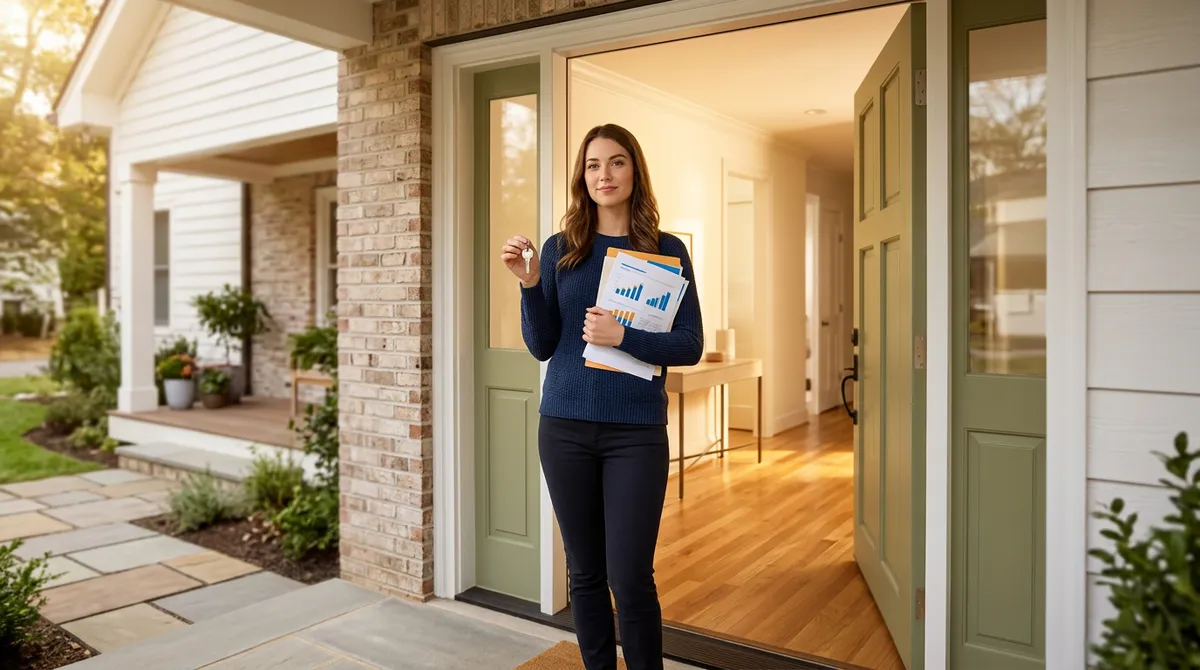
Check your credit score (aim for 620+), calculate your debt-to-income ratio (below 43%), and review savings before applying for a mortgage—this foundation determines your borrowing capacity.
-
Get pre-approved for a mortgage with 2-3 lenders to compare rates and receive a pre-approval letter, which signals to sellers you're a serious buyer and clarifies your actual budget.
-
Never skip the home inspection; a licensed inspector reviews roof, foundation, plumbing, and electrical systems to protect you from hidden problems and negotiate repairs or credits.
-
Avoid common mistakes: don't skip pre-approval, stretch your budget too thin, fall in love with homes too fast, or ignore neighborhood quality—work with a local agent instead.
-
Budget for down payment (3-20%), closing costs (2-5% of loan amount), home inspection ($300-500), and moving expenses ($500-2,500+) to avoid financial surprises.
-
During underwriting, respond promptly to lender requests and avoid large purchases or new credit accounts, as these actions can jeopardize your loan approval.
Buying your first home is one of the most exciting things you will ever do. It can also feel a little overwhelming at first. There are so many steps, so many terms, and so many decisions to make. But here is the good news — the steps to buying your first home are completely manageable when you break them down one at a time. Whether you are a young professional just starting out, a family relocating to Jacksonville, or someone finally ready to stop renting and start building wealth, this guide is for you. Jacksonville, Florida is a fantastic place to plant your roots. It has growing neighborhoods, great schools, and a strong job market. With the right guidance, your dream home is closer than you think. Let’s walk through everything you need to know, step by step, so you can move forward with confidence.

Why Jacksonville Is a Great Place to Buy Your First Home
Jacksonville offers something for everyone. From the family-friendly suburbs of St. Johns County to the vibrant communities of Duval County, there are neighborhoods to fit every lifestyle and budget. The city has seen strong population growth in 2026, which means real estate values are holding steady and trending upward. That is great news for first-time buyers looking to build equity fast.
If you are relocating from out of state, Jacksonville’s cost of living is much lower than many major metros. You get more home for your money here. And if you are a local finally ready to buy, you already know how special this city is. Either way, the resources for new home buyers in this area are strong and growing.

The Key Steps to Buying Your First Home
Let’s get into the heart of this guide. Below are the essential steps to buying your first home. Follow these in order, and you will be in great shape from start to finish.
Step 1: Check Your Financial Health
Before anything else, take a good look at your finances. Check your credit score, your savings, and your monthly budget. Lenders will look at all of these things when deciding if you qualify for a mortgage.
- Review your credit score — Aim for a score of 620 or higher for conventional loans. The higher your score, the better your interest rate.
- Calculate your debt-to-income ratio — Add up all your monthly debt payments and compare them to your gross monthly income. Most lenders want this below 43%.
- Count your savings — You will need money for a down payment, closing costs, and moving expenses.
This step sets the foundation for everything else. Do not skip it! You can also use a mortgage payment calculator to get a feel for what your monthly payments might look like.
Step 2: Get Pre-Approved for a Mortgage
Getting pre-approved is a game changer. It tells sellers you are a serious buyer. It also gives you a clear picture of how much home you can actually afford.
A lender will review your income, credit, and assets to determine your loan amount. Once pre-approved, you will receive a letter you can use when making offers. Shop around with at least two or three lenders to compare rates and terms before committing.
Step 3: Define What You Want in a Home
Now the fun begins! Make a list of your must-haves and nice-to-haves. Think about things like:
- Number of bedrooms and bathrooms
- Preferred neighborhoods or school districts
- Proximity to work, parks, or shopping
- Yard size or outdoor space
- Garage or storage needs
Being clear about your priorities helps your agent narrow down listings quickly. If you are ready to start browsing, you can search available homes in Jacksonville right now.
Step 4: Partner With a Local Real Estate Agent
This step can make or break your home-buying experience. A great agent knows the local market, helps you avoid common mistakes, and negotiates on your behalf. As a first-time buyer, you need someone in your corner who truly cares about your outcome.
Jeremy Torres Real Estate is built on exactly that kind of dedication. Jeremy grew up in a family that rented for decades, so he understands firsthand what homeownership means. His mission is to help regular people reach the mountaintop. You can learn more by visiting the about Jeremy Torres page.
Step 5: Start House Hunting
Now you get to tour homes! Your agent will set up showings based on your wish list. Be open-minded but stay focused on your must-haves. Take notes and photos during tours so you can compare homes later.
Jacksonville has a wide variety of homes — new builds, established neighborhoods, waterfront properties, and suburban communities with great schools. Check out the Find Your Dream Home page to start exploring your options in detail.
Step 6: Make an Offer
You found the one! Now it is time to make an offer. Your agent will help you determine a fair price based on comparable sales in the area. The offer will include:
- The purchase price you are offering
- Your earnest money deposit amount
- Contingencies (inspection, financing, appraisal)
- Your desired closing date
The seller may accept, reject, or counter your offer. Stay calm and trust your agent to guide you through any negotiations.
Step 7: Get a Home Inspection
Never skip the home inspection. A licensed inspector will check the home from top to bottom — roof, foundation, plumbing, electrical, HVAC, and more. This protects you from buying a home with hidden problems.
If issues are found, you can ask the seller to fix them, lower the price, or give you a credit at closing. Your agent will help you navigate this conversation. Review the full real estate buyer guide for tips on what to watch for during inspections.
Step 8: Secure Your Financing
Once your offer is accepted, go back to your lender to finalize your loan. This is called the underwriting process. The lender will verify all your financial documents and order an appraisal of the home.
Stay responsive during this phase. Your lender may ask for additional documents. Avoid making large purchases or opening new credit accounts while your loan is being processed — this can affect your approval.
Step 9: Do a Final Walkthrough
A day or two before closing, you will do a final walkthrough of the home. This is your chance to make sure everything is in the condition agreed upon. Check that:
- All agreed-upon repairs were completed
- No new damage has occurred
- All appliances and fixtures are in place
- The home is clean and ready for move-in
Step 10: Close on Your New Home
Closing day is the finish line — and it is a great feeling! You will sign a stack of documents, pay your closing costs, and receive the keys to your new home. Closing costs typically range from 2% to 5% of the loan amount, so budget accordingly.
After everything is signed and funds are transferred, the home is officially yours. Congratulations — you are a homeowner!
First-Time Buyer Costs at a Glance
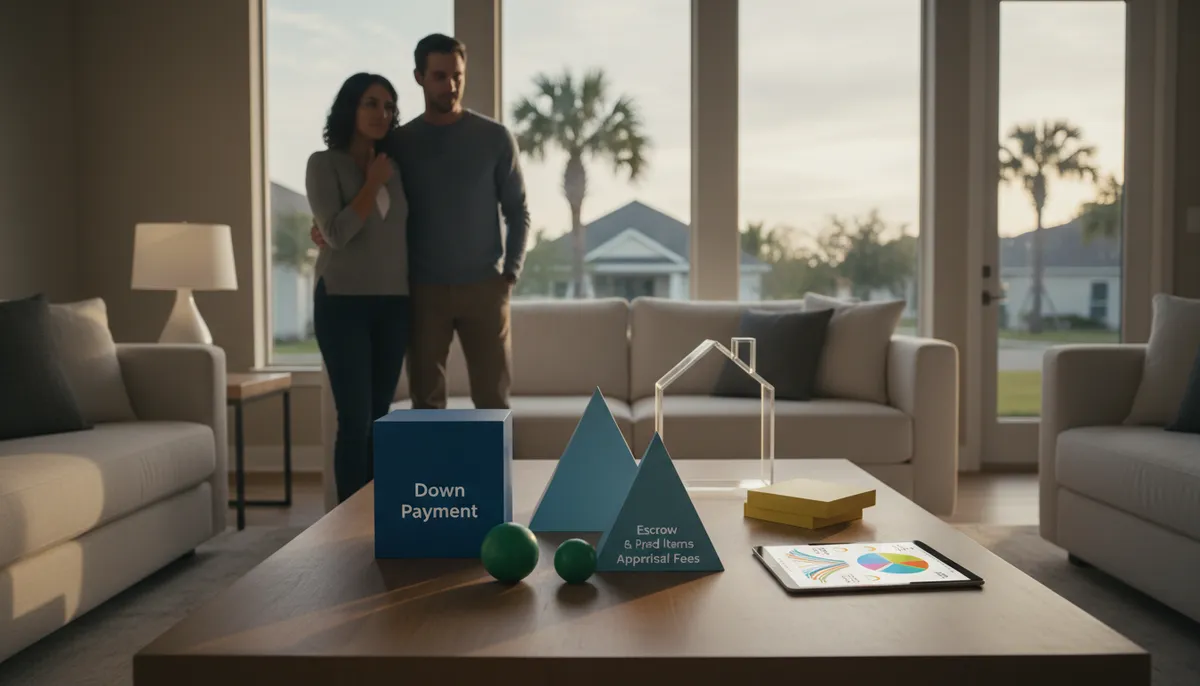
Understanding your costs upfront helps you plan and avoid surprises. Here is a simple breakdown of what most first-time buyers should budget for:
| Cost Category | Typical Range | Notes |
|---|---|---|
| Down Payment | 3% – 20% of purchase price | FHA loans allow as low as 3.5% |
| Closing Costs | 2% – 5% of loan amount | Includes lender fees, title, and taxes |
| Home Inspection | $300 – $500 | Paid out of pocket before closing |
| Moving Expenses | $500 – $2,500+ | Varies by distance and volume |
| Home Reserves | 1% – 3% of home value/year | For maintenance and unexpected repairs |
Common Mistakes First-Time Buyers Make
Knowing what to avoid is just as important as knowing what to do. Here are some pitfalls to watch out for:
- Skipping pre-approval — This wastes time and weakens your offer.
- Stretching your budget too thin — Buy what you can comfortably afford, not the maximum you qualify for.
- Falling in love too fast — Stay objective and do your due diligence.
- Ignoring the neighborhood — The home matters, but so does the community around it.
- Not using a local agent — National platforms cannot replace boots-on-the-ground expertise.
Reading through these tips and doing your research ahead of time makes a huge difference. The buying a house resource page is a great place to dive deeper into each of these topics.
Loan Options for First-Time Buyers
There are several loan programs designed specifically to help first-time buyers. Here is a quick overview:
- FHA Loans — Backed by the Federal Housing Administration, these require as little as 3.5% down and are great for buyers with lower credit scores.
- Conventional Loans — These often offer better rates for buyers with strong credit and can have down payments as low as 3%.
- VA Loans — Available to veterans and active-duty military. No down payment required and no private mortgage insurance. Jacksonville has a large military community, so this is a great option for many buyers here.
Talk to your lender about which option fits your situation best. Jeremy works with buyers across all of these loan types and can help connect you with trusted local lenders.
Neighborhoods Worth Exploring in Jacksonville
Jacksonville is a big city with a lot of variety. Here are some popular areas for first-time buyers to explore:
- St. Johns County — Top-rated schools and family-friendly suburbs. Great for growing families.
- Clay County — Affordable homes with easy access to the metro area.
- Duval County — Diverse neighborhoods ranging from urban to suburban vibes.
- Nassau County — More rural feel with a growing community and new developments.
Want to see what is currently on the market? Follow along on Instagram for real-time listings and neighborhood highlights. You can also connect on Facebook for local market updates and community tips.
How Jeremy Torres Real Estate Helps First-Time Buyers
Navigating the steps to buying your first home is so much smoother with an experienced local agent by your side. Jeremy Torres brings deep knowledge of the Jacksonville market, a passion for helping people achieve homeownership, and a track record that speaks for itself — over $6 million in sales volume and more than $100K saved for clients.
Whether you are exploring new builds, foreclosures, or move-in ready homes, Jeremy covers Clay, Duval, Flagler, Nassau, and St. Johns counties. You can also check out Jeremy’s sold listings to see real results from real Jacksonville buyers. He is partnered with Coastal Realty Jax, one of the trusted brokerages serving Northeast Florida.
Check out what past clients have to say — visit Jeremy’s Google Business Profile to read real reviews from real homeowners.
Your First Home Is Waiting
The steps to buying your first home may seem like a lot at first glance. But when you take them one at a time, with the right support, the process is completely doable — and incredibly rewarding. From checking your credit to getting those keys in hand, every step brings you closer to something truly life-changing.
Jacksonville is ready to welcome you home. And so is Jeremy. Whether you are just starting to research or ready to hit the ground running, reach out today and let’s make it happen. Get in touch with Jeremy Torres and take the first step toward owning your home in Jacksonville — you will be so glad you did.
FAQs
Q: How much money do I need to buy my first home in Jacksonville?
A: Great question! Most first-time buyers in Jacksonville need enough for a down payment (as low as 3% to 3.5% with FHA or conventional loans), closing costs (typically 2% to 5% of the loan amount), and a small emergency reserve for move-in expenses. Using a mortgage payment calculator can help you estimate your numbers before you even talk to a lender.
Q: How long does it take to buy a home for the first time?
A: The process typically takes anywhere from 30 to 90 days once you are under contract on a home. However, the preparation phase — getting your finances in order and finding a home — can take a few weeks to several months depending on the market. Starting with a pre-approval speeds things up significantly!
Q: Do I need a real estate agent to buy my first home?
A: While it is technically possible to buy without an agent, it is not recommended for first-time buyers. A local agent like Jeremy Torres knows the Jacksonville market inside and out, helps you avoid costly mistakes, and negotiates on your behalf — often at no direct cost to you as the buyer.
Q: What credit score do I need to buy a home in Jacksonville?
A: Most lenders look for a credit score of at least 620 for a conventional loan. FHA loans may accept scores as low as 580 with a 3.5% down payment. The higher your score, the better the interest rate you are likely to receive, so it is worth spending a few months improving your credit if needed.
Q: What is the first step I should take when buying a home?
A: The very first step is to check your financial health — review your credit score, calculate your savings, and understand your monthly budget. From there, getting pre-approved for a mortgage is the next move. This gives you a clear budget and shows sellers you are a serious buyer ready to move forward!