Key Takeaways
-
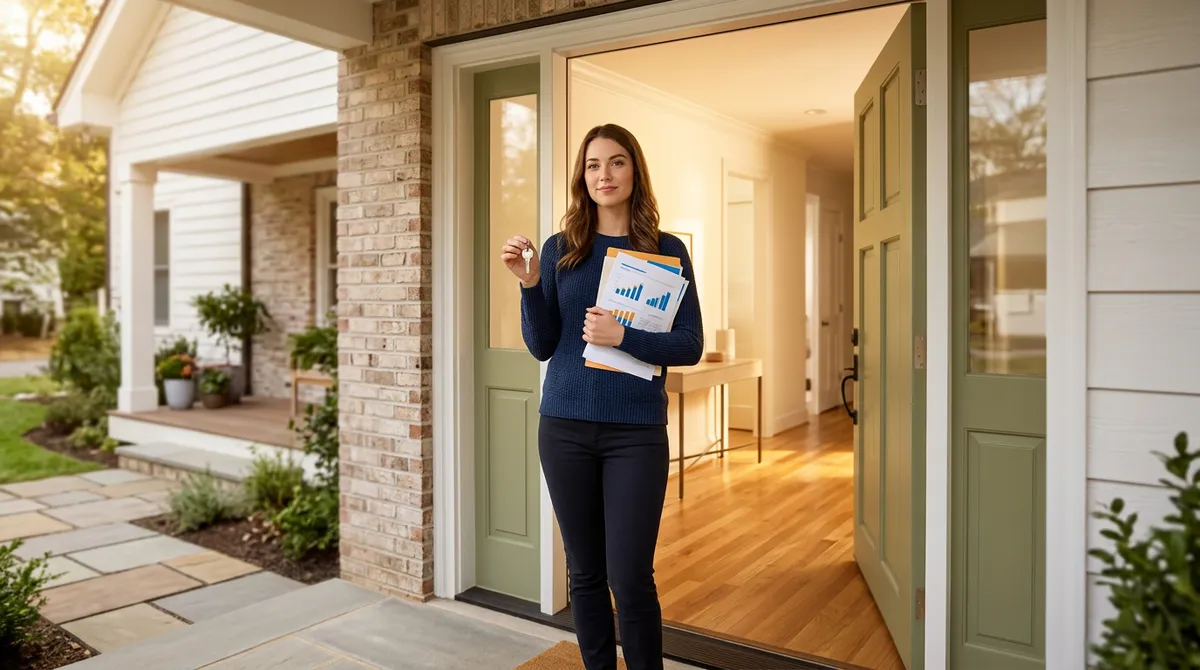
U.S. foreclosure filings jumped 32% year-over-year in January 2026, with Florida ranking third nationally and Jacksonville offering significant opportunities for buyers willing to navigate the market strategically.
-
Get pre-approved for financing and work with a local foreclosure expert before searching, as these transactions move quickly with unique paperwork and risks that require specialized knowledge.
-
Foreclosure properties exist in four stages—pre-foreclosure, auction, REO, and HUD homes—each offering different buying opportunities and terms; REO properties typically sell at or near market value with negotiation room.
-
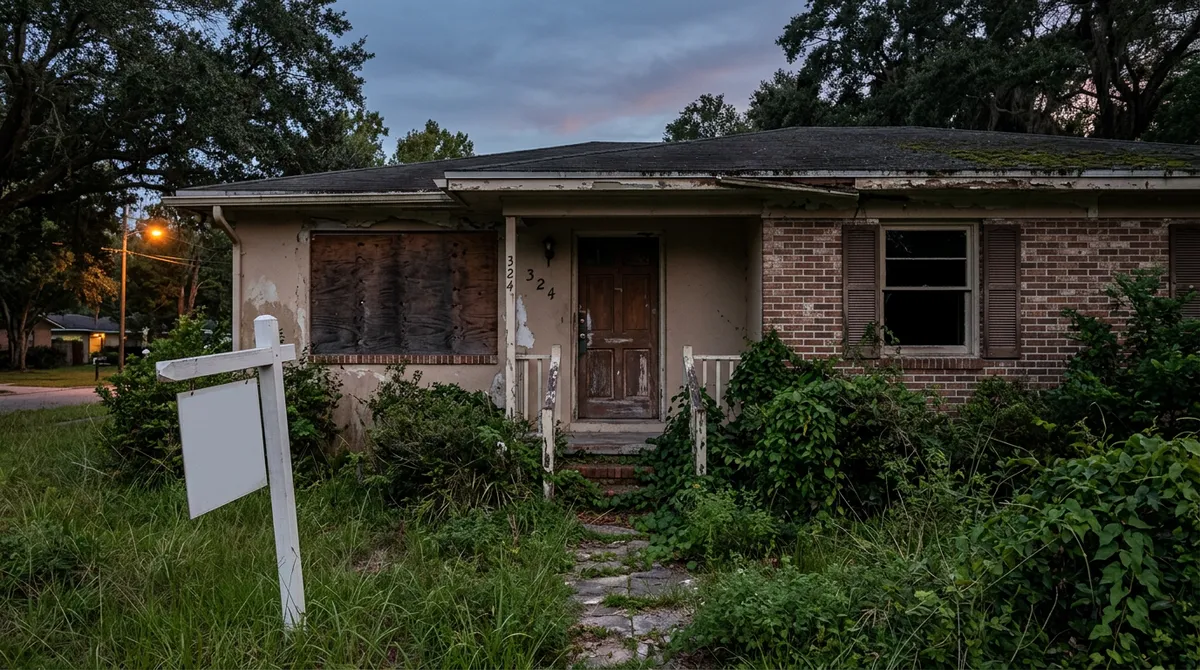
Inspect foreclosed homes thoroughly for structural issues, water damage, mold, and outdated systems, then budget repair costs into your total investment calculation since properties are sold as-is.
-
Current market is a gradual normalization, not a crisis like 2008—most homeowners remain financially stable, meaning foreclosures represent genuine deals rather than signals of economic collapse.
-
Watch for hidden liens, title issues, and longer processing timelines on bank-owned sales; conduct thorough title searches and due diligence before closing to avoid inheriting unpaid taxes or contractor liens.
Foreclosures are making headlines in 2026 — and for good reason. With U.S. foreclosure filings jumping 32% year-over-year in January 2026, savvy buyers and investors are paying close attention. Florida ranks third in the nation for foreclosure rates, with 1 in every 2,067 housing units carrying a foreclosure filing. That means Jacksonville is sitting in a market full of opportunity — if you know how to navigate it.
Whether you’re a first-time homebuyer looking for an affordable entry point, a seasoned investor hunting for your next deal, or a relocating professional trying to stretch your budget, foreclosures can offer serious value. But they also come with unique challenges. The good news? You don’t have to figure it all out alone. This guide walks you through everything you need to know about finding and buying foreclosures in Jacksonville, Florida — step by step.
What Is a Foreclosure in Real Estate?
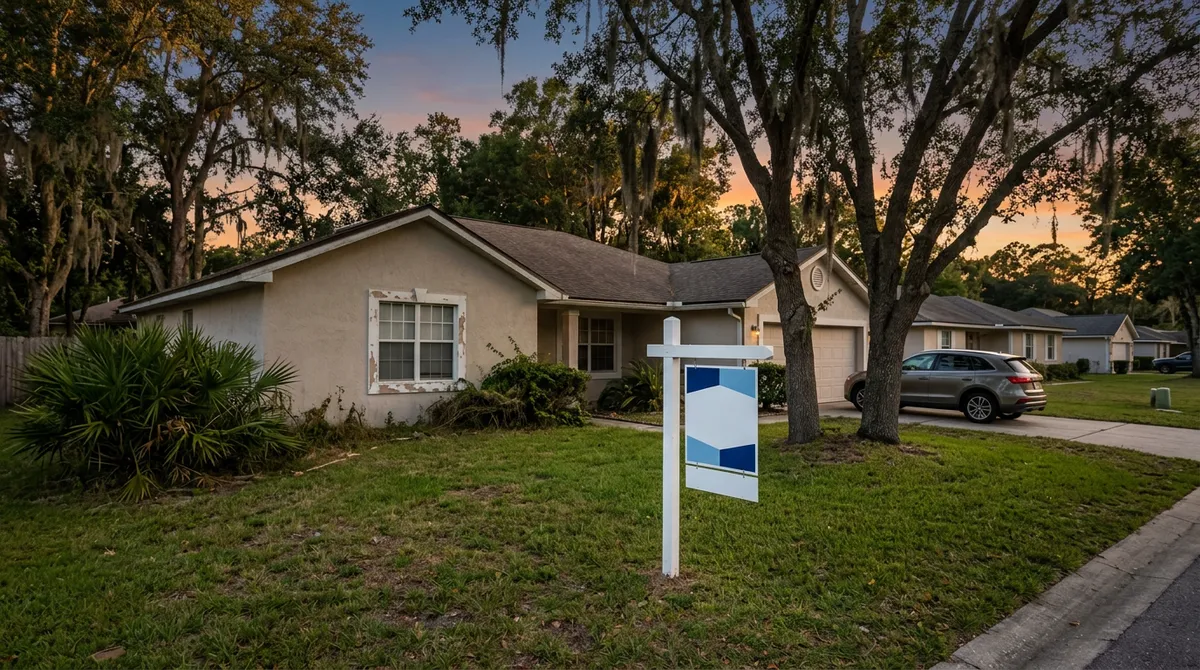
A foreclosure happens when a homeowner can no longer make their mortgage payments. The lender — usually a bank — steps in and takes back the property. The home is then sold to recover the unpaid loan balance. It’s a tough situation for the original owner, but it creates buying opportunities for others.
Foreclosures move through several stages, and each stage offers a different type of buying opportunity. Understanding where a property sits in the process helps you make smarter decisions. Here’s a quick breakdown:
- Pre-foreclosure: The homeowner has missed payments but the bank hasn’t taken the home yet. You can sometimes negotiate directly with the owner.
- Auction: The property goes to a public auction, often on the courthouse steps. Buyers must pay in cash and accept the home as-is.
- REO (Real Estate Owned): The bank has taken back the property after a failed auction. These are often listed on the open market through agents.
- HUD Homes: Government-owned properties that are sold through approved agents at competitive prices.
If you want to explore active listings in Jacksonville, you can search available homes right now to see what’s on the market, including bank-owned properties.
Why Jacksonville Foreclosures Are Worth Your Attention
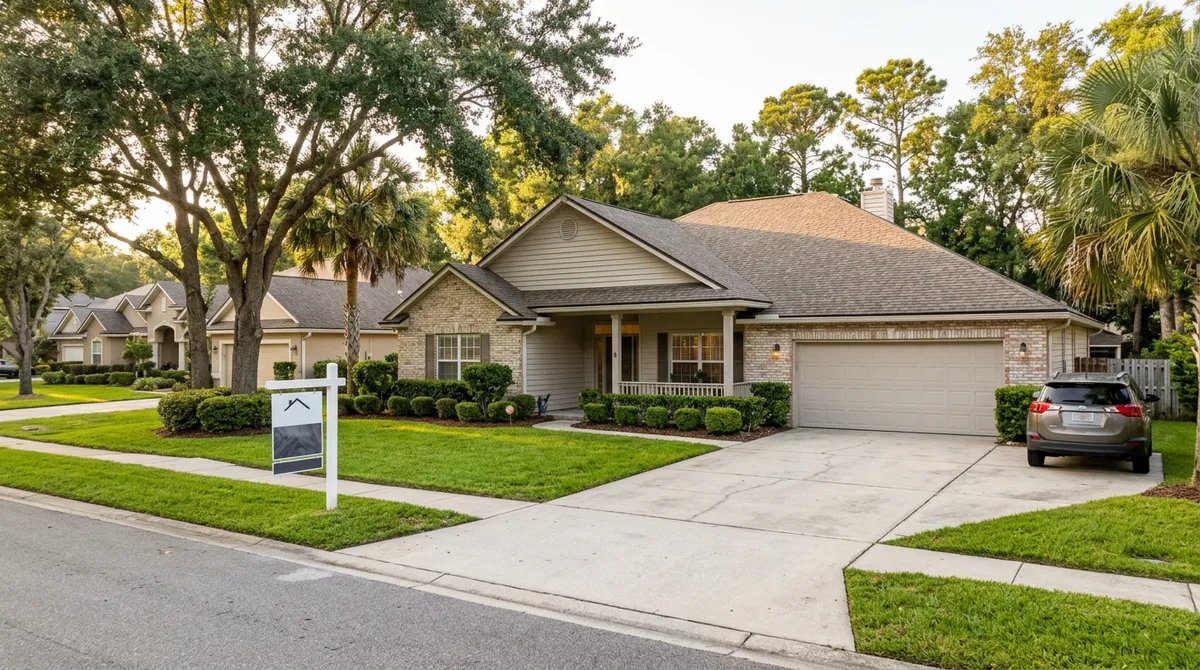
Florida is one of the top three states for foreclosure activity in 2026. That places Jacksonville in a hot zone for deal-hunters. But here’s the important nuance — this is NOT a repeat of the 2008 crisis. Experts point to a gradual market normalization, not a systemic collapse. Most homeowners are still financially stable.
What this means for buyers is a growing pool of discounted properties without the economic chaos of the past. Jacksonville’s strong population growth and job market make it an even more attractive place to invest. Investment properties in Jacksonville are gaining traction precisely because of this combination of opportunity and stability.
Here’s a snapshot of the current national foreclosure landscape:
| State | Foreclosure Rate (Jan 2026) | 1 in Every X Housing Units |
|---|---|---|
| Delaware | Highest in the nation | 1 in 1,612 |
| Nevada | Second highest | 1 in 1,983 |
| Florida | Third highest | 1 in 2,067 |
| National Average | — | 1 in 3,547 |
Florida’s rate is nearly double the national average — making Jacksonville a prime location for buyers looking for below-market deals.
How to Buy a Foreclosure: A Step-by-Step Guide
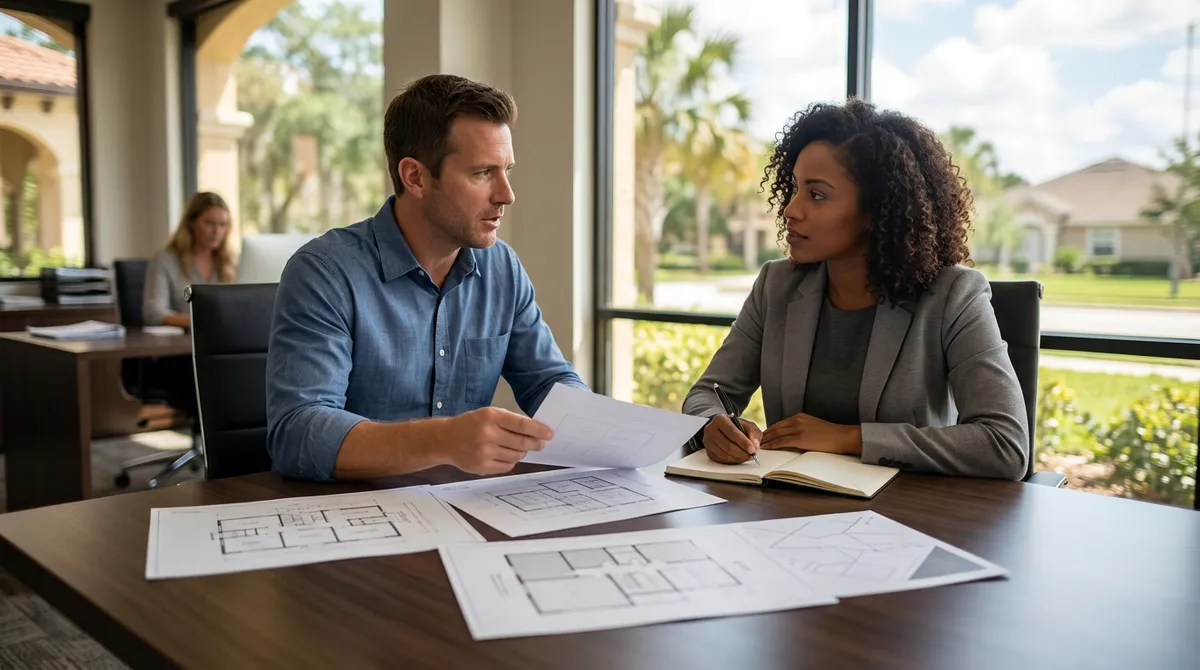
Buying a foreclosure is different from a traditional home purchase. The process moves faster, conditions are often unknown, and competition can be fierce. Here’s how to approach it the right way.
Step 1: Get Pre-Approved for Financing
Before anything else, know your budget. Foreclosure deals move quickly, and sellers — especially banks — want to see that you’re financially ready. Get pre-approved for a mortgage so you can act fast when the right property comes along. Use a mortgage payment calculator to estimate your monthly payments and figure out what you can comfortably afford.
Step 2: Work with a Local Foreclosure Expert
This step is huge. Foreclosure transactions have unique paperwork, timelines, and risks. You need an agent who knows the Jacksonville market inside and out. About Jeremy Torres — he specializes in foreclosures and pre-foreclosures right here in Jacksonville, and he’s helped countless buyers find hidden gems in this market. Having the right partner by your side makes all the difference.
Step 3: Search for Foreclosure Listings
There are several places to find foreclosure properties in Jacksonville:
- MLS Listings: Many REO properties are listed just like regular homes. Your agent can filter for bank-owned listings.
- Bank Websites: Major lenders often post their REO inventory directly on their sites.
- Government Portals: HUD, Fannie Mae, and Freddie Mac have dedicated portals for their foreclosure inventory.
- Courthouse Records: Pre-foreclosure notices are public record — your agent can help you find these early-stage opportunities.
- Local Auctions: Foreclosure auctions happen regularly in Duval County and surrounding areas.
Step 4: Inspect the Property Carefully
Foreclosed homes are often sold as-is. That means no repairs from the seller. Some homes have been vacant for months — or even years. Before you commit, get a full home inspection. Look for structural issues, water damage, mold, and outdated systems. Budget for repairs when calculating your total investment. The good news is that even with repair costs, many foreclosures still offer excellent value.
Step 5: Make a Strong Offer
Banks and lenders are motivated to sell — but they also have set processes. REO properties often list at or near market value, but there’s usually room to negotiate. Come in with a clean offer supported by your pre-approval letter. Your agent will help you craft a competitive bid without overpaying. You can also view Jeremy’s sold listings to understand what similar properties have sold for in Jacksonville.
Step 6: Complete Due Diligence and Close
After your offer is accepted, you’ll enter a due diligence period. This is your time to review title history, confirm there are no liens, and finalize your financing. Foreclosures can sometimes carry title issues, so a thorough title search is essential. Once everything checks out, you’ll head to closing and get the keys!
Types of Buyers Who Benefit Most from Foreclosures
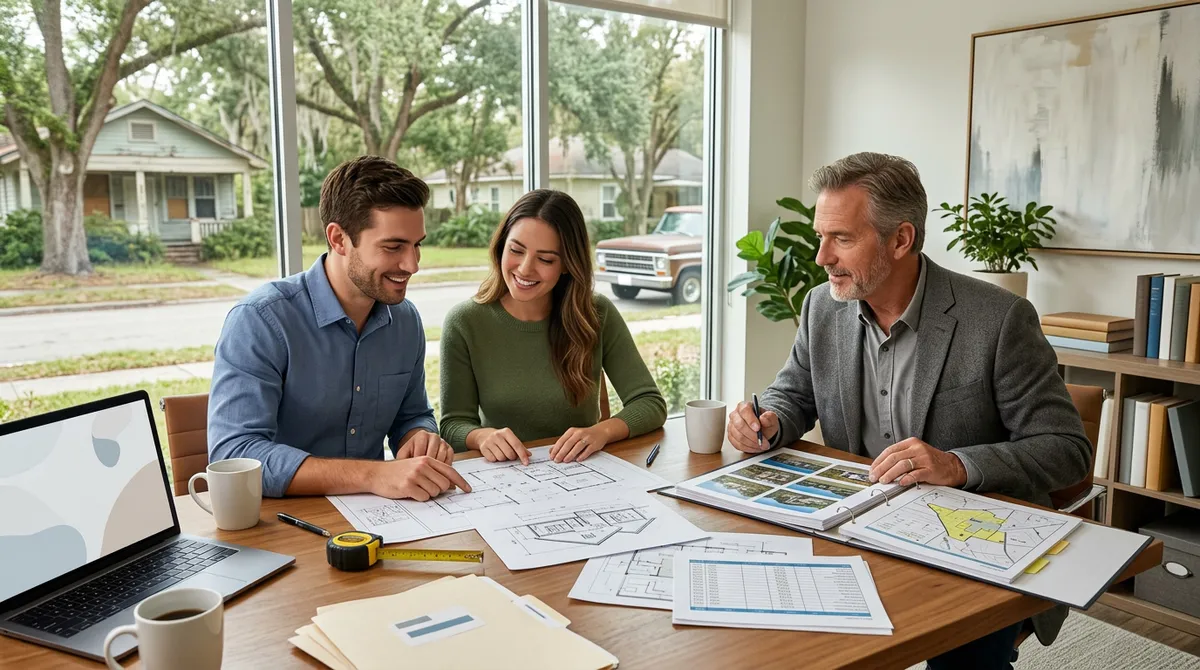
Foreclosures aren’t just for investors. Multiple buyer types can win big in Jacksonville’s foreclosure market:
- First-time homebuyers: Foreclosures can offer an affordable entry point into homeownership. Programs like FHA loans are often eligible for REO properties. Our new home buyer resources can help you get started.
- Real estate investors: Fix-and-flip opportunities and long-term appreciation plays are abundant in Jacksonville’s foreclosure market.
- Relocating professionals: Moving to Jacksonville from out of state? A foreclosure could give you more home for your money in a great neighborhood.
- Relocating families: Foreclosures in suburban Jacksonville — like in St. Johns County or Clay County — can put families in top school districts at a fraction of the cost.
If you’re ready to start your search, check out our real estate buyer guide to understand the full buying process from start to finish.
Risks to Watch Out For
Foreclosures offer great deals, but they’re not without risks. Here’s what to keep in mind before you dive in:
- As-is condition: You inherit the property in whatever condition it’s in — good or bad.
- Hidden liens: Some foreclosures carry unpaid taxes or contractor liens that transfer with the property.
- Longer timelines: Bank-owned sales can take longer to process than traditional transactions.
- Limited disclosures: Banks often don’t know the full history of the home the way an owner-occupied seller would.
These risks are manageable — especially with the right agent. Jeremy Torres Real Estate has the local expertise and experience to guide you through every potential pitfall, ensuring you make a confident, informed purchase.
Current Foreclosure Trends You Should Know
Understanding the market helps you time your moves. Here are the key numbers shaping the foreclosure landscape in early 2026:
- 40,534 total foreclosure filings in the U.S. in January 2026 — up 32% from January 2025
- 26,369 new foreclosure starts in January 2026 — up 26% year-over-year
- 4,714 completed bank repossessions (REOs) in January 2026 — a 59% jump from the prior year
- This marks 11 consecutive months of year-over-year foreclosure increases
- Texas, California, and Florida lead the nation in bank repossessions
The trend is clear: more inventory is coming. That’s great news if you’re a buyer or investor. Stay connected with the Jacksonville market by following Jeremy Torres on Instagram for real-time market updates and new listings.
What About Zombie Foreclosures?
You might have heard the term “zombie foreclosure.” This refers to a property that has been abandoned by the owner during the foreclosure process. Nationally, about 7,540 properties fall into this category in Q1 2026 — roughly 3.27% of all foreclosures. Jacksonville occasionally sees these situations, particularly in older neighborhoods.
Zombie foreclosures can sometimes be purchased at steep discounts, but they require extra due diligence. Title issues and property deterioration are common concerns. If you spot one that interests you, it’s worth having an expert evaluate it before you move forward. You can also follow Jeremy Torres on Facebook for tips and updates on unique buying opportunities like these.
Tips for Homeowners Facing Foreclosure
If you’re a homeowner — not a buyer — and you’re worried about foreclosure, there are options available to you. Acting quickly is the most important thing. Here are some steps to consider:
- Contact your lender immediately: Many lenders have hardship programs that can delay or modify payments.
- Explore a short sale: If you owe more than the home is worth, a short sale may let you sell the home and avoid foreclosure on your record.
- Consider selling before foreclosure: If you have equity in your home, selling it may be your best option to protect your financial future. Our team at Selling My House can help you explore your options.
- Seek HUD-approved housing counseling: Free resources are available to help you understand your options.
If you’re not sure where to turn, don’t hesitate to reach out. Getting the right advice early can save your credit and your peace of mind.
How to Start Your Foreclosure Search in Jacksonville
Ready to take action? Here’s how to get started today:
- Visit Find Your Dream Home to browse current listings in Jacksonville
- Use our mortgage payment calculator to plan your budget
- Read through the buying a house guide to understand the full process
- Check out our blog for the latest Jacksonville market insights
- Connect with Jeremy Torres to discuss your specific goals and timeline
Jacksonville’s foreclosure market is full of opportunity right now. The key is having the right knowledge and the right team behind you. Jeremy Torres Real Estate is backed by Coastal Realty Jax and has helped clients across Duval, Clay, St. Johns, Nassau, and Flagler counties find incredible deals in every type of market.
Start Your Foreclosure Journey Today
The Jacksonville foreclosure market is moving fast in 2026. New inventory is hitting the pipeline every month, and the buyers who act with confidence and preparation are the ones who walk away with the best deals. Whether you’re buying your first home, growing a portfolio, or relocating to Florida’s best city, foreclosures could be your smartest move this year.
Don’t navigate this market alone. Visit us on Google to read what past clients have said about working with Jeremy Torres Real Estate — and see why so many people trust us with their biggest financial decisions.
When you’re ready to take the next step, reach out to Jeremy Torres today and let’s talk about how foreclosures in Jacksonville can help you reach your real estate goals. The right deal is out there — and we’ll help you find it.
FAQs
Q: Are foreclosures a good deal in Jacksonville, FL in 2026?
A: They absolutely can be! Florida ranks third in the nation for foreclosure rates in 2026, meaning Jacksonville buyers have more options than ever. With the right preparation and a knowledgeable local agent, foreclosures can offer excellent value — often well below market price.
Q: What is the difference between a pre-foreclosure and an REO property?
A: Great question! A pre-foreclosure is a home where the owner has missed payments but the bank hasn’t taken it back yet — you may be able to negotiate directly with the owner. An REO (Real Estate Owned) property has already been taken back by the bank and is listed for sale on the open market, often through a real estate agent.
Q: Can first-time homebuyers purchase foreclosures?
A: Yes, and it can be a fantastic strategy! Many REO properties are eligible for FHA loans, which require a lower down payment — making them very accessible for first-time buyers. Working with a local expert like Jeremy Torres helps you navigate the unique requirements of a foreclosure purchase with confidence.
Q: How are current foreclosure levels different from the 2008 housing crisis?
A: Today’s foreclosure activity is rising, but it’s still far below the catastrophic levels seen in 2008. Experts describe the current trend as a gradual market normalization, not a systemic crisis. Most homeowners are still financially stable, and foreclosures today represent opportunity rather than widespread economic distress.
Q: What should I watch out for when buying a foreclosed home?
A: The biggest things to watch for are the property’s as-is condition, hidden liens, and potential title issues. Always get a full home inspection and a thorough title search before closing. Having a trusted local agent who specializes in foreclosures — like Jeremy Torres — by your side makes it much easier to avoid costly surprises.