Key Takeaways
-
Get pre-approved (not just pre-qualified) before house hunting—it shows sellers you're serious and can be the difference between winning and losing a home in competitive markets.
-
Never skip the home inspection even on new construction; it costs $300-$500 and protects you from expensive surprises after closing.
-
Check your debt-to-income ratio (DTI) before applying for a mortgage—lenders prefer ratios under 43%, meaning your monthly debts should be less than 43% of gross income.
-
Create two lists of must-haves vs. nice-to-haves before house hunting to keep your search focused and prevent getting distracted by features that don't align with your priorities.
-
In 2026, Jacksonville's market favors buyers with rising inventory, falling mortgage rates near three-year lows, and expected 14% increase in home sales, giving you more negotiating power.
-
Allow 60-120 days for the complete home buying process: 2-6 weeks for financial prep, 2 weeks to 3 months for house hunting, and 30-45 days from contract to closing.
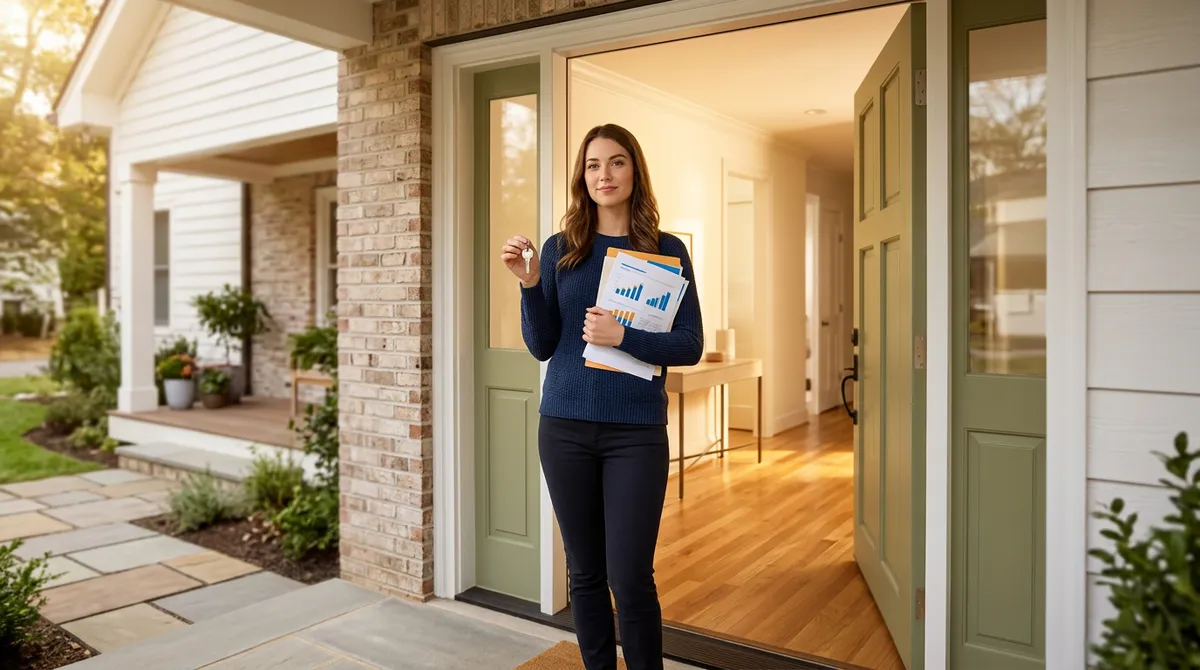
Thinking about buying a home in Jacksonville, Florida? You’re making one of the smartest decisions of your life. In 2026, the market is shifting in your favor. Inventory is up, mortgage rates are falling near three-year lows, and home sales are expected to rise by about 14% this year. That means more choices and better leverage for buyers like you.
Whether you’re a first-time homebuyer, a relocating professional, or a growing family seeking a great neighborhood, the home buying process can feel overwhelming at first. But it doesn’t have to be. Breaking it down into clear, manageable steps makes everything easier. The full timeline typically runs 60 to 120 days from start to close. That’s not long at all when you have the right guide in your corner.
This article walks you through the three most important home buying steps you need to take in 2026. Let’s get started!

Step 1: Get Your Finances in Order Before You Shop
The biggest mistake buyers make is falling in love with a home before knowing what they can afford. Getting your finances sorted first saves time, stress, and heartbreak. Think of it as building your foundation before putting up the walls.
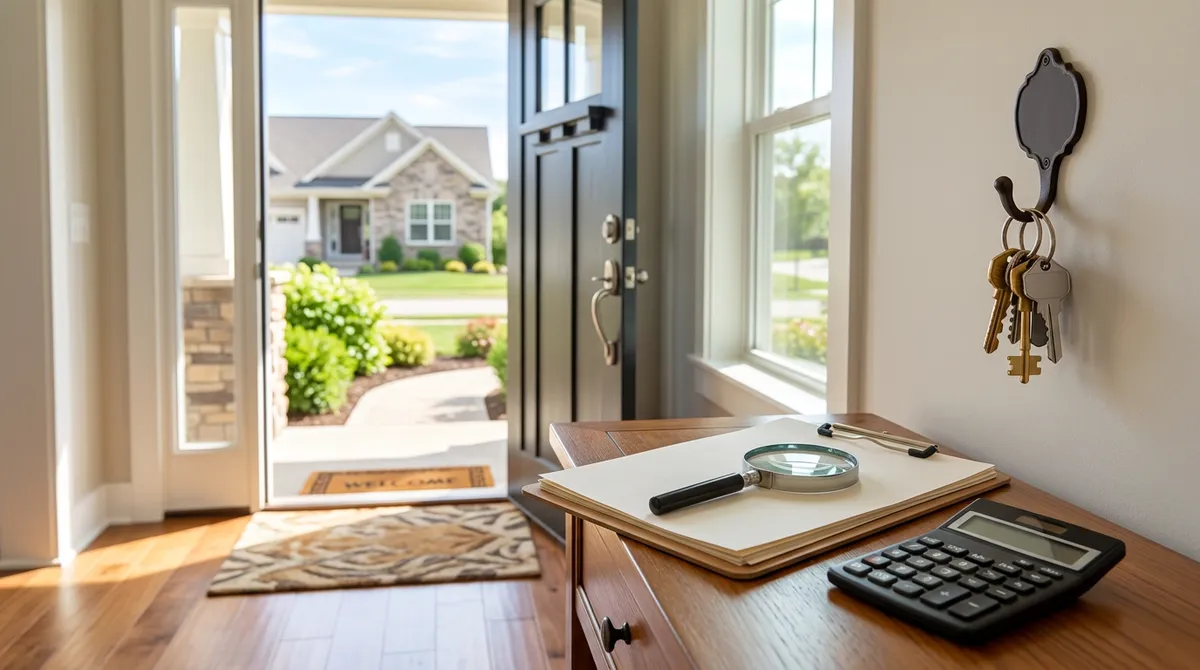
Use a mortgage payment calculator to get a realistic sense of your monthly costs. It takes just a few minutes and gives you a solid starting point.
Know Your Numbers
Start by reviewing these key financial indicators:
- Credit score: A higher score means better loan terms and lower interest rates.
- Debt-to-income ratio (DTI): Lenders prefer a DTI under 43%. This means your monthly debts should be less than 43% of your gross income.
- Savings: You’ll need funds for a down payment plus closing costs, which typically run 2–5% of the purchase price.
- Emergency fund: Keep 3–6 months of expenses saved separately from your home purchase funds.
If your credit score needs work, take 60–90 days to pay down balances and dispute any errors on your report. Even a small score boost can save you thousands in interest over the life of your loan.
Choose the Right Loan Type
There are several mortgage options available for home buyers in 2026. Here’s a quick comparison to help you decide:
| Loan Type | Best For | Down Payment | Key Benefit |
|---|---|---|---|
| Conventional | Strong credit buyers | 3–20% | No upfront mortgage insurance with 20% down |
| FHA | First-time buyers | 3.5% | Lower credit score requirements |
| VA | Veterans and military | 0% | No down payment required |
| USDA | Rural and suburban buyers | 0% | No down payment in eligible areas |
Jacksonville has a strong military community, so VA loans are very popular here. If you’ve served, this could be a fantastic option for you. Not sure which loan fits your situation? Check out the Real Estate Buyer Guide for more helpful information.
Get Pre-Approved (Not Just Pre-Qualified)
Pre-approval is a game-changer in today’s market. It shows sellers you’re serious and financially ready. Pre-approval requires proof of income, bank statements, and a hard credit check. In return, you receive a specific loan amount and interest rate estimate.
Pre-qualification is just an estimate based on self-reported data. Pre-approval carries real weight. In a competitive market, it can be the difference between winning and losing a home you love. Think of it as your VIP pass to the home buying process.
Step 2: Find the Right Home and Make a Smart Offer
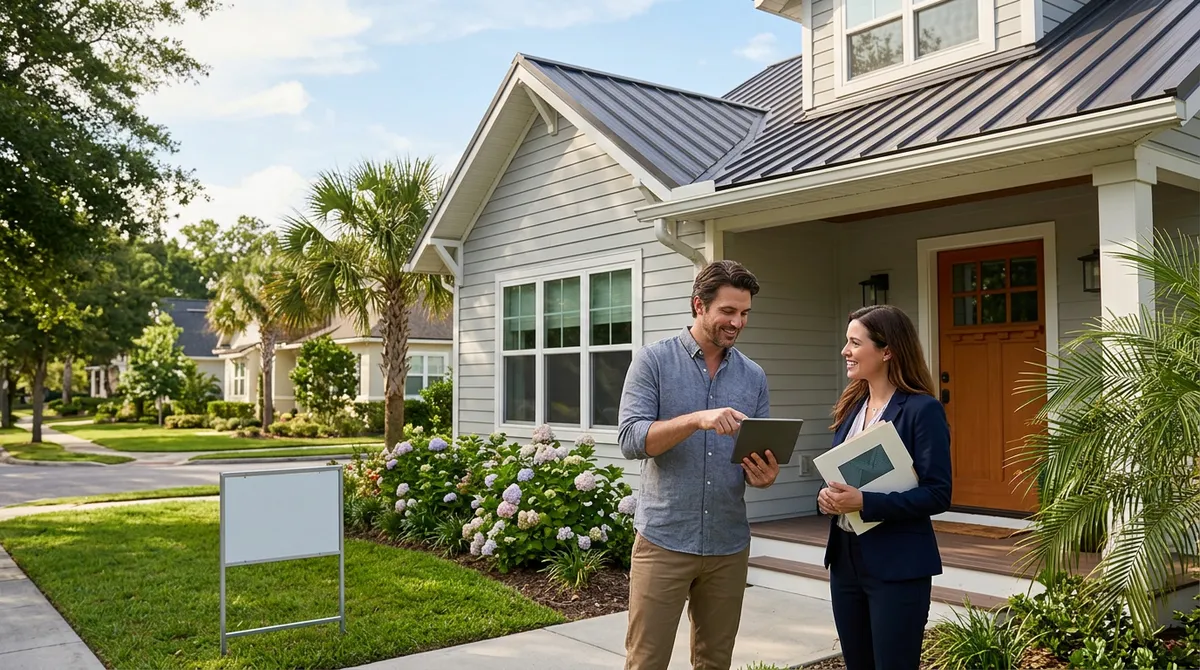
Now comes the fun part — house hunting! With more inventory hitting Jacksonville’s market in 2026, you have more options than buyers did a few years ago. But more choices also means you need a clear strategy. You want to find the right home, not just any home.
Start by searching available homes in Jacksonville to get a feel for neighborhoods, price ranges, and what’s out there right now.
Define Your Must-Haves vs. Nice-to-Haves
Before you schedule a single showing, make two lists. This keeps your search focused and prevents you from getting distracted by shiny features that don’t really matter to you.
Must-haves (non-negotiables):
- Number of bedrooms and bathrooms
- Location and school district
- Commute distance to work
- Budget range
- Yard or outdoor space requirements
Nice-to-haves (bonuses):
- Updated kitchen or bathrooms
- Pool or screened porch
- Specific architectural style
- Smart home features
- Extra garage space
Jacksonville has a wide range of neighborhoods to explore. From the upscale elegance of San Marco and Mandarin to the family-friendly suburbs of St. Johns County, there’s something for every lifestyle and budget. Ready to explore your options? Find your dream home with personalized guidance from a local expert.
How to Make a Winning Offer
Once you find the one, it’s time to make your move. A strong offer is more than just the price. Here’s what goes into a competitive offer:
- Offer price: Base this on comparable sales (comps) in the neighborhood. Your agent will help you find this data.
- Earnest money deposit: This is typically 1–3% of the purchase price. It shows the seller you’re committed.
- Contingencies: These protect you if something goes wrong. Common ones include inspection, financing, and appraisal contingencies.
- Closing timeline: Sellers often prefer a faster close. If you’re flexible, this can make your offer stand out.
- Personal letter (optional): A short, heartfelt letter to the sellers can sometimes tip the scales in your favor.
Working with an experienced local agent makes this stage much smoother. About Jeremy Torres — Jeremy has deep roots in Jacksonville’s market and knows exactly how to position an offer for success. He’s helped clients save over $100K collectively through smart negotiating and market expertise.

Step 3: Navigate Inspections, Appraisals, and Closing
Your offer was accepted — congratulations! But you’re not quite at the finish line yet. The 30–45 days between contract acceptance and closing are filled with important steps. Don’t skip any of them. This is where many buyers get tripped up, but with the right team, it’s totally manageable.
The Home Inspection Process
A home inspection is one of the most important things you’ll do during the home buying process. A licensed inspector will examine the property from top to bottom, including the roof, foundation, electrical, plumbing, HVAC, and more. This typically costs $300–$500 and is well worth every penny.
After the inspection, you have several options:
- Request the seller make specific repairs before closing
- Ask for a price reduction or closing credit instead of repairs
- Accept the home as-is if issues are minor
- Walk away if major problems are found (this is why the inspection contingency matters!)
Never skip the inspection, even on new construction. Surprises after closing can be very expensive and stressful.
Appraisals and Title Searches
After the inspection, your lender will order an appraisal. This usually happens within 7–14 days. The appraisal confirms the home’s value matches the purchase price. If the appraisal comes in low, you can renegotiate the price or cover the gap out of pocket.
A title search is also conducted to make sure the property has no liens, disputes, or ownership issues. Title insurance protects you from any problems that surface after closing. It’s a one-time cost that buys you long-term peace of mind.
The Closing Day Checklist
You’re almost there! Here’s what to expect and prepare for on closing day:
- Review your Closing Disclosure: You’ll receive this 3 days before closing. Compare it carefully to your original Loan Estimate to make sure the numbers match.
- Final walkthrough: Do this 24 hours before closing to confirm the home is in the agreed condition and any repairs were completed.
- Bring your ID and certified funds: You’ll need a government-issued ID and a cashier’s check or wire transfer for closing costs.
- Sign the paperwork: There’s a lot of it! Your agent and closing attorney will guide you through each document.
- Get your keys: This is the best part. You’re officially a homeowner!
Want to see what a successful transaction looks like? View Jeremy’s sold listings to get a sense of the neighborhoods and price points he’s worked in across Jacksonville.

Why Jacksonville Is a Smart Place to Buy in 2026
Jacksonville continues to be one of the most attractive cities for home buyers in the Southeast. Population growth is strong, job opportunities are expanding, and the cost of living remains well below national averages. With 13–15 million homes expected to hit the national market over the next decade as boomers downsize, inventory will only improve.
Southern metros like Jacksonville are among the top markets for improved affordability in 2026. Whether you’re relocating from another state, buying your first home, or growing your real estate portfolio, Jacksonville offers real opportunity. Follow Jeremy Torres on Instagram and Facebook for local market updates, new listings, and home buying tips.
Jeremy Torres Real Estate covers Clay County, Duval County, Flagler County, Nassau County, and St. Johns County. No matter where in the greater Jacksonville area you’re looking, you’re covered. Check out more helpful articles and guides on the Blog.
Bonus Tips for Special Buyer Situations
Not every buyer is the same, and that’s a good thing! Here are some quick tips tailored to specific situations:
- First-time buyers: Look into FHA loans and down payment assistance programs available in Florida. Read more on the New Home Buyer page for resources built just for you.
- Military and veterans: VA loans offer zero down payment and competitive rates. Jacksonville’s military community is well-served by local lenders familiar with VA guidelines.
- Investors: Jacksonville’s population growth makes it a strong market for buy-and-hold strategies. Explore Investment Properties available in the area.
- Luxury buyers: Neighborhoods like San Marco, Avondale, and Mandarin offer premium properties with strong long-term value. Jeremy has specialized knowledge of Jacksonville’s upscale market segments.
- Relocating families: St. Johns County is one of the top-rated school districts in Florida. It’s a favorite destination for families prioritizing education and community.
No matter what your situation looks like, the home buying process works the same way at its core. The key is having the right expert by your side to customize the approach for your specific needs and goals.
Start Your Home Buying Journey Today
Buying a home in Jacksonville in 2026 is one of the smartest financial moves you can make. The market is favorable, inventory is growing, and rates are improving. The three steps outlined in this article — preparing your finances, finding the right home and making a strong offer, and navigating inspections through closing — give you a solid roadmap to follow.
You don’t have to figure this out alone. Jeremy Torres has helped countless buyers across Jacksonville achieve their dream of homeownership, saving clients over $100K in the process. Whether you’re buying your very first home or your fifth, expert guidance makes all the difference. Visit us on Google to read real reviews from happy Jacksonville homeowners.
Ready to take the next step? Learn more about buying a house in Jacksonville, or reach out directly to get personalized guidance. Connect with Jeremy Torres today and let’s turn your homeownership dream into your new address!
FAQs
Q: How long does the home buying process take in Jacksonville?
A: Great question! The typical home buying timeline runs 60 to 120 days from start to finish. This includes 2 to 6 weeks for financial prep and pre-approval, 2 weeks to 3 months for house hunting, and 30 to 45 days from contract acceptance to closing day. Having a local expert like Jeremy Torres by your side can help keep things moving smoothly!
Q: What credit score do I need to buy a home in 2026?
A: It depends on the loan type you choose! FHA loans are available with scores as low as 580, while conventional loans typically require a score of 620 or higher. The higher your score, the better your interest rate will be, which saves you money over the life of your loan. A little time spent improving your credit before buying can really pay off.
Q: How much money do I need saved before buying a home?
A: You’ll want savings for both your down payment and closing costs. Down payments range from 0% (VA or USDA loans) to 20% for conventional loans without mortgage insurance. Closing costs typically run 2 to 5% of the purchase price. It’s also smart to keep a separate emergency fund of 3 to 6 months of living expenses so you’re covered after you move in.
Q: What is an earnest money deposit and how much should I offer?
A: An earnest money deposit is a good-faith payment you make when submitting an offer. It shows the seller you’re serious about buying! In Jacksonville, this typically ranges from 1 to 3% of the purchase price. Don’t worry — if the deal falls through due to a valid contingency like a failed inspection, you usually get this money back.
Q: Is 2026 a good time to buy a home in Jacksonville?
A: Absolutely! In 2026, buyers have some real advantages. Mortgage rates are falling near three-year lows, inventory is rising, and home sales are expected to increase by about 14% this year. Jacksonville in particular is seeing strong population growth and job expansion, making it one of the best markets in the Southeast for buyers right now.